Preserving time is almost here

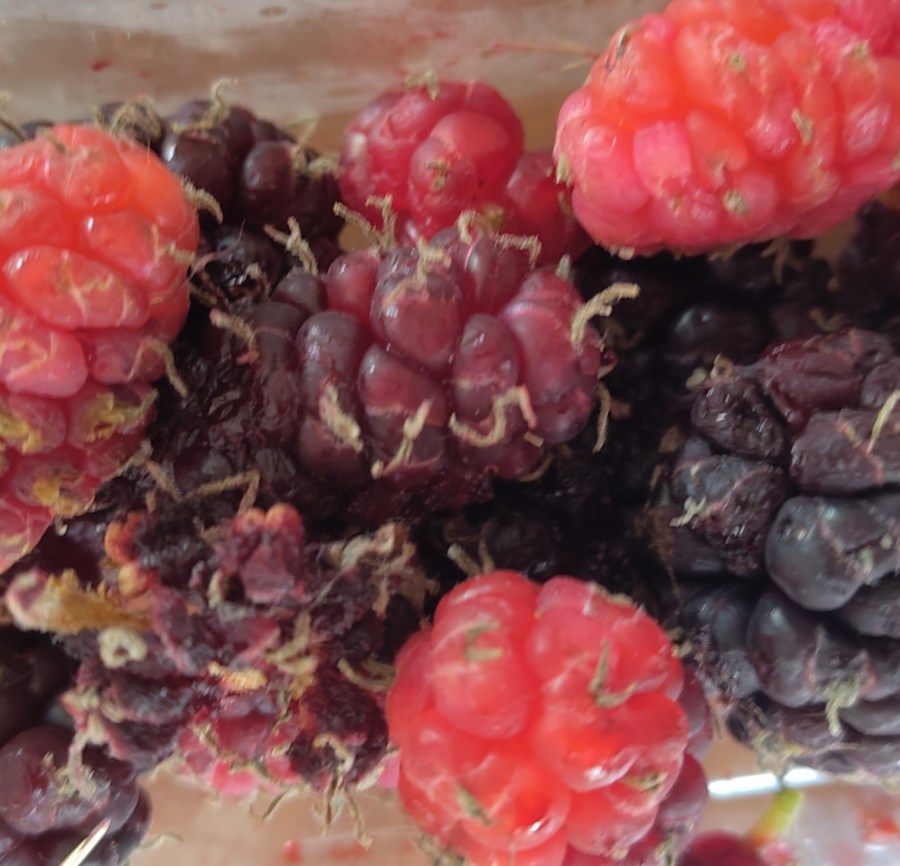
The warm spring and early summer has meant that everything’s cropping madly in the garden a bit early.

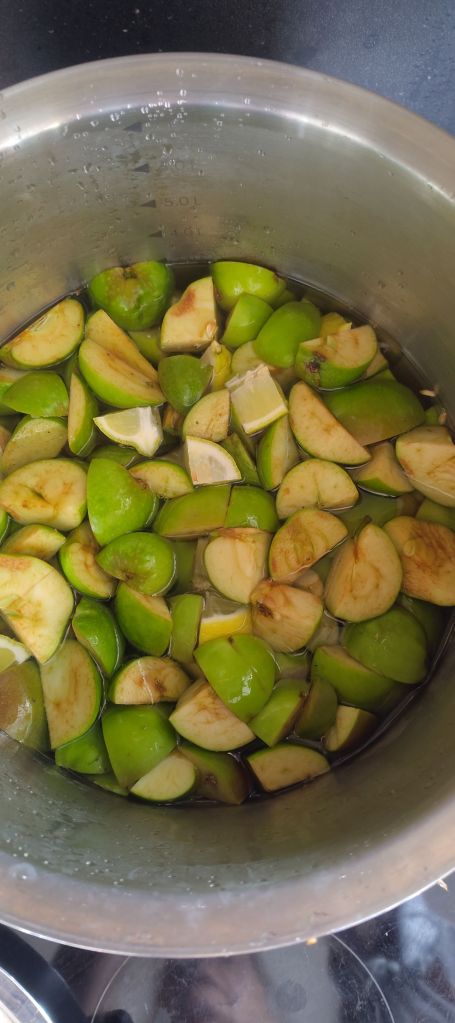
So to get a match on jam making I’m making a batch of pectin from the wind for apples. If you’ve made jam before you will know that pectin helps soft fruit jam set. I’ve made it before and then forgot about it as we didn’t have any windfalls  from our two apples trees worth speaking of, so I bought commercial pectin. However, after we moved here with lots of fruit trees and seeing all the wind falls and the piles of blackcurrants and mulberries saying, “make me into jam”,  reminded me that I can make my own.  Hence there is a large pot smelling very ‘appley’ bubbling on the stove right now.

Simmering windfall apples to make pectin for settng soft fruit jam

If you’ve never made your own pectin it’s very, very simple. You just chop up the little windfall apples into  chunks about two, two and a half centimeters size.  Core, peel, all goes in, then put them in a big saucepan and cover with water. Bring to the boil and simmer for about two hours, until mushy.  Then strain the whole lot through a muslin bag overnight or for about 6 hours. Give the muslin bag a good squeeze to get all the liquid out.

The liquid that you’ve strained out is the pectin and the apple pulp in the bag can be put in the compost bin. Return the pectin to the pan and reduce it until a bit thicker. There is a test with alcohol to check if it is strong enough, but I boil it with a little sugar and test the set as if it were jam and that has worked fine for me. I store the pectin in sterilised jam jars in the fridge and use within two or three weeks, but you can also freeze it, in which case it lasts about four to five months.

Just got to make all that jam now.

Enthusiasm is trumped by poor organisation

When we moved house I had only the first few centimetres worked of a rather intricate (for my level of skill) pattern on my big Inkle loom. So I carefully tied it all down, added tape and made it secure on the loom. Wrapped it in bubble wrap etc etc. and it travelled fine.

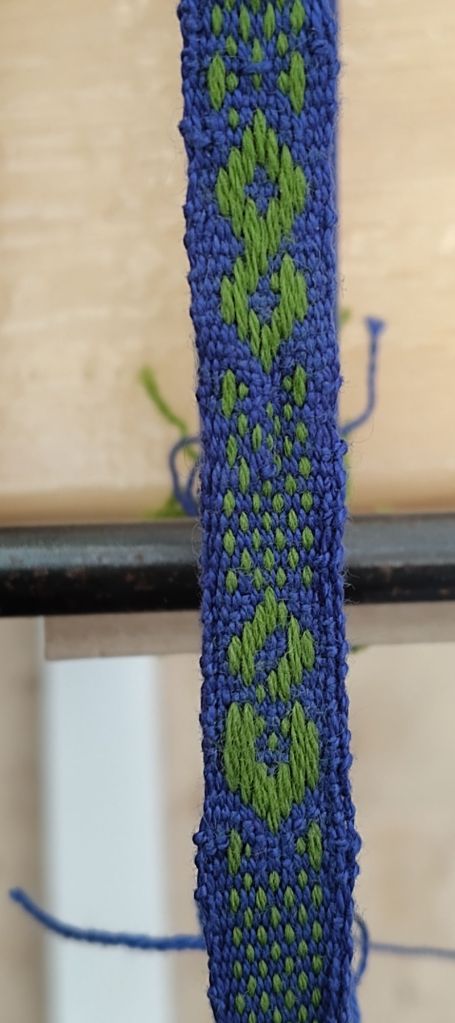
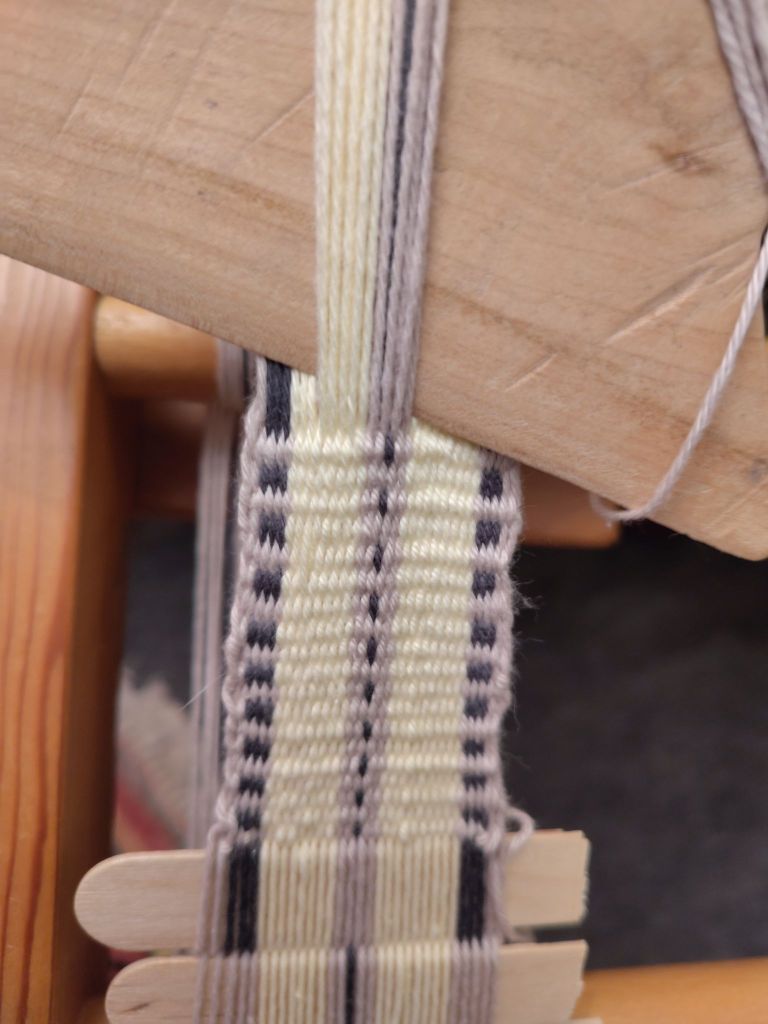
The first 4cm of pattern before I had to pack the loom.

Sadly, whilst unwrapping it, I somehow managed to cut the warp! Idiot….

So the loom and dangling warp has languished in the conservatory for the best part of a year, unloved and testament to my incompetence. Today I decided, was the day to grapple with this and repair the warp. I refused to be beaten by it and started to analyse what needed to be tied to what. Luckily I had the written threading pattern to follow.

And I’ve done it! Only two mis ties hat to be undone and retied. I think that it will be OK. I’ve put in several pieces of card to re-tension and organise the warp and it looks good to go.

So I go to wind the shuttle, and realise I have no idea where the weft thread is! It’s somewhere in the loft in a box of unlabelled yarns, and believe me there must be about 20 of these… So do I want to go and search for it? Probably not today. That’s a job for later…

Somerset Guild of Weavers, Spinners and Dyers Skill Share day

Yesterday, Easter Saturday was the Guild Skill Share. There were many generous members who shared their knowledge and skills in weaving, knitting and spinning related sessions.

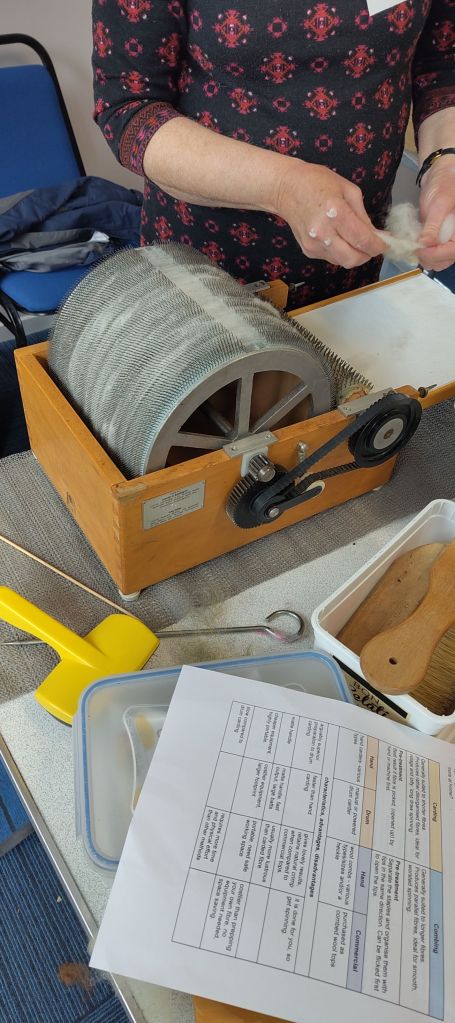
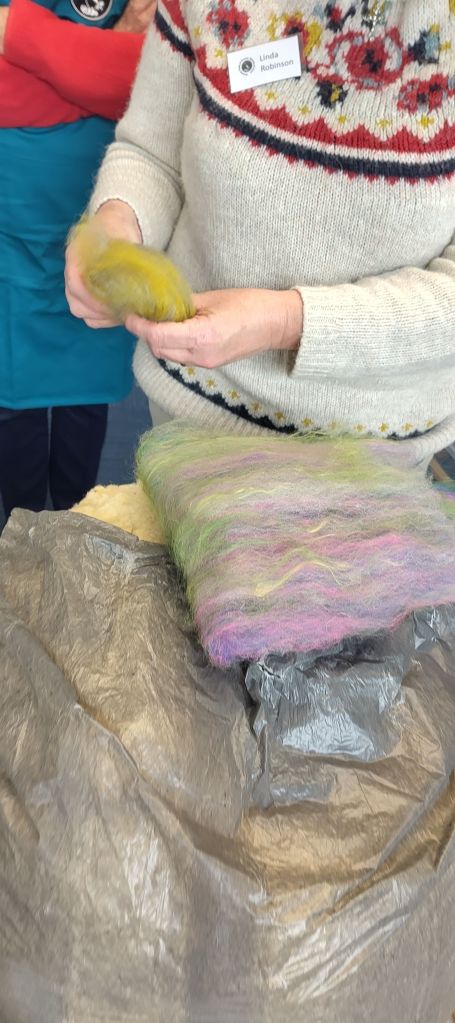
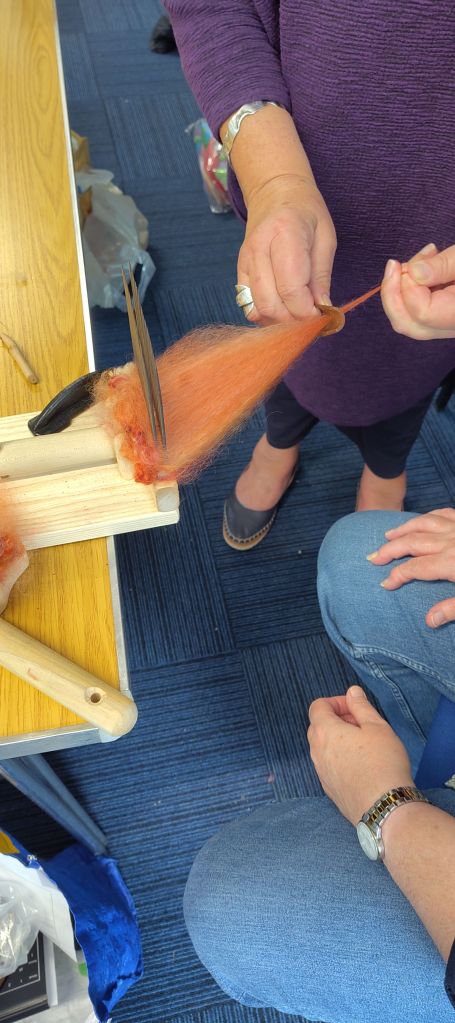
Kathy and I offered a Wool Fibre Preparation day so that members could have an induction on the Guild equipment or bring their own carders and combs etc. along to learn how to use them or just pick up some tips.

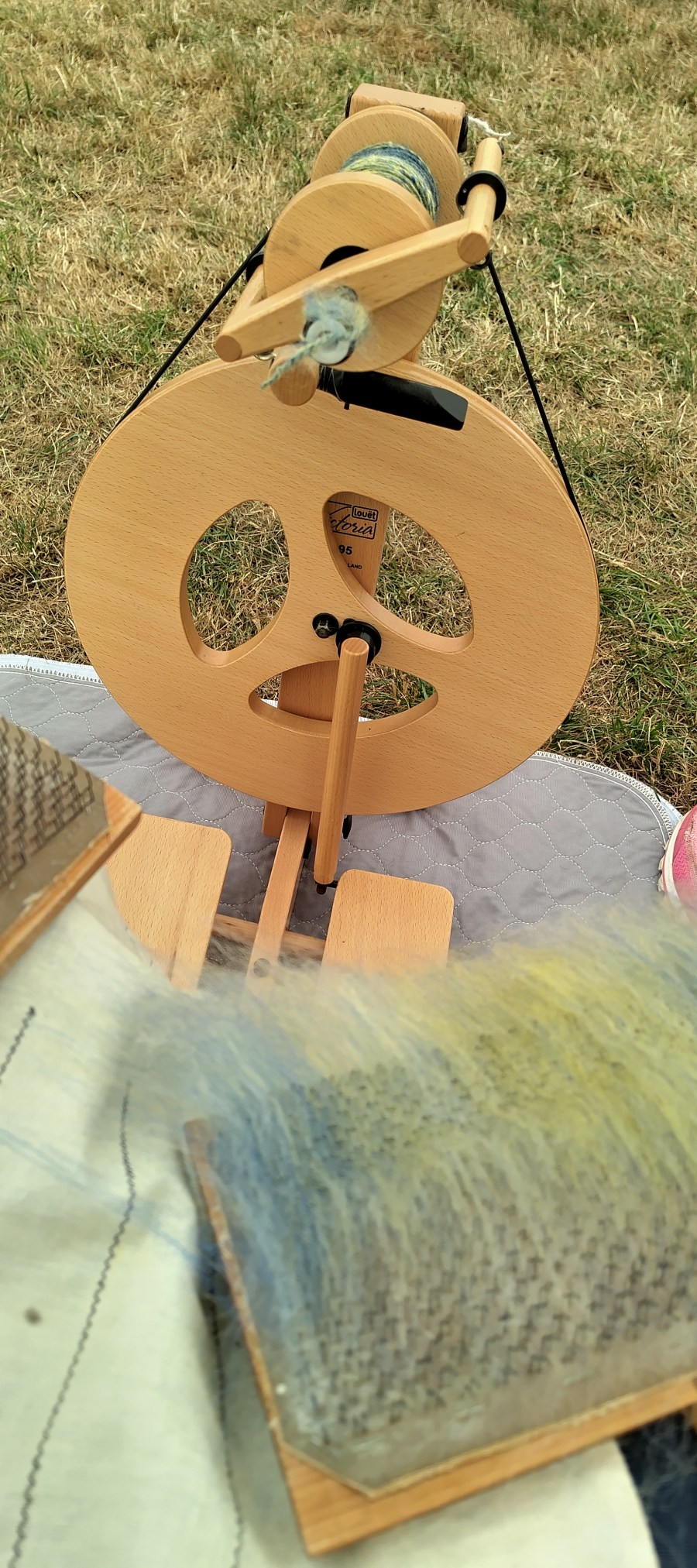
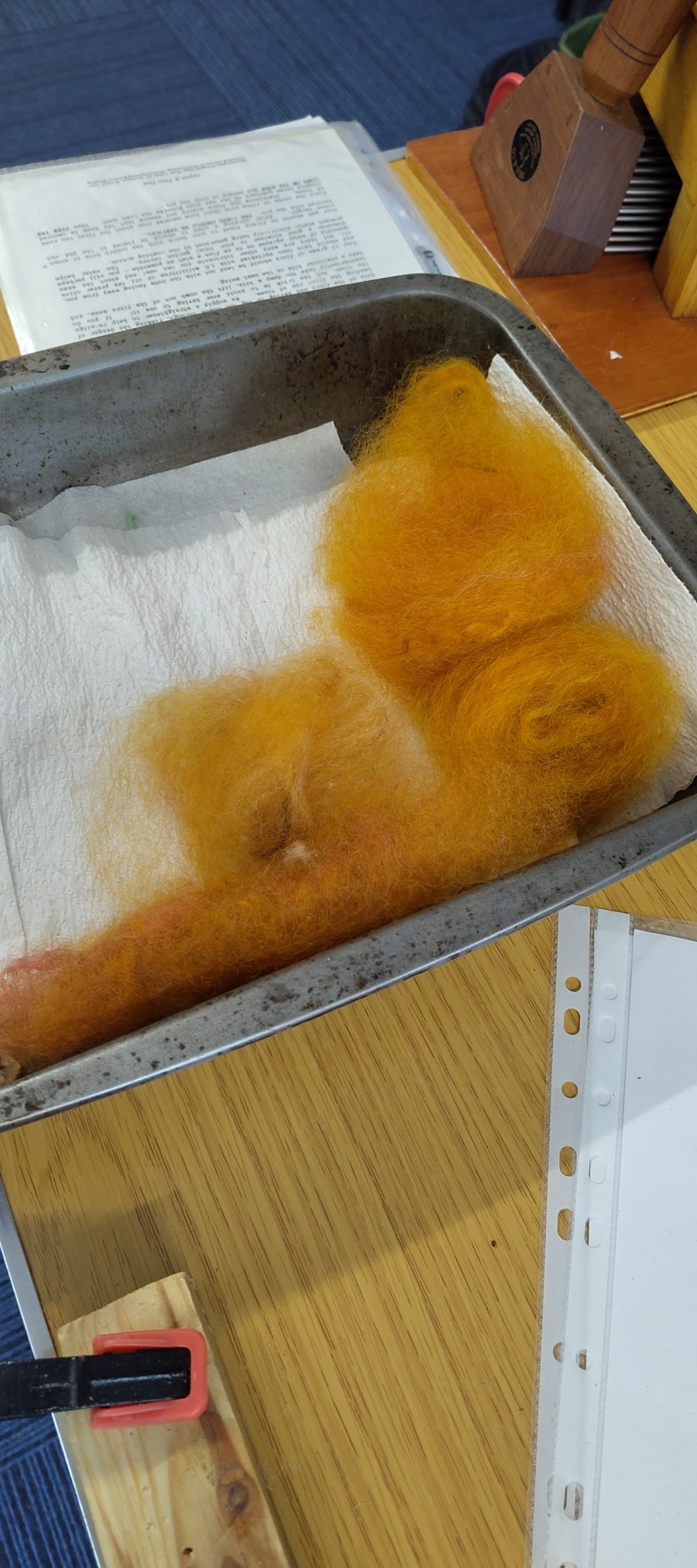
The morning was all about using swing or box pickers and hand and drum carders plus how to use these for blending. After lunch we tackled wool combing using a  pair of English Combs and smaller Valkyrie ones plus blending in a heckle.

We enjoyed running the session and everyone seemed happy. After my initial H&S talk it was me that pricked my finger on the combs!

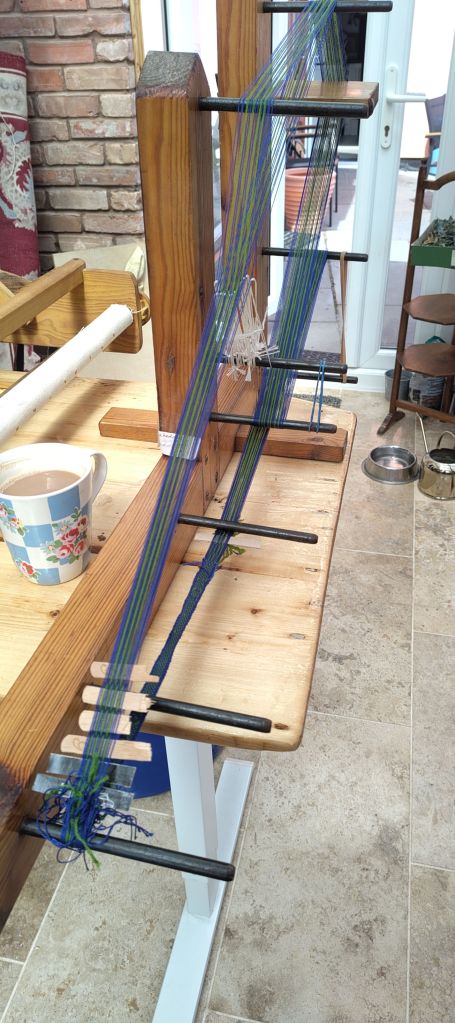
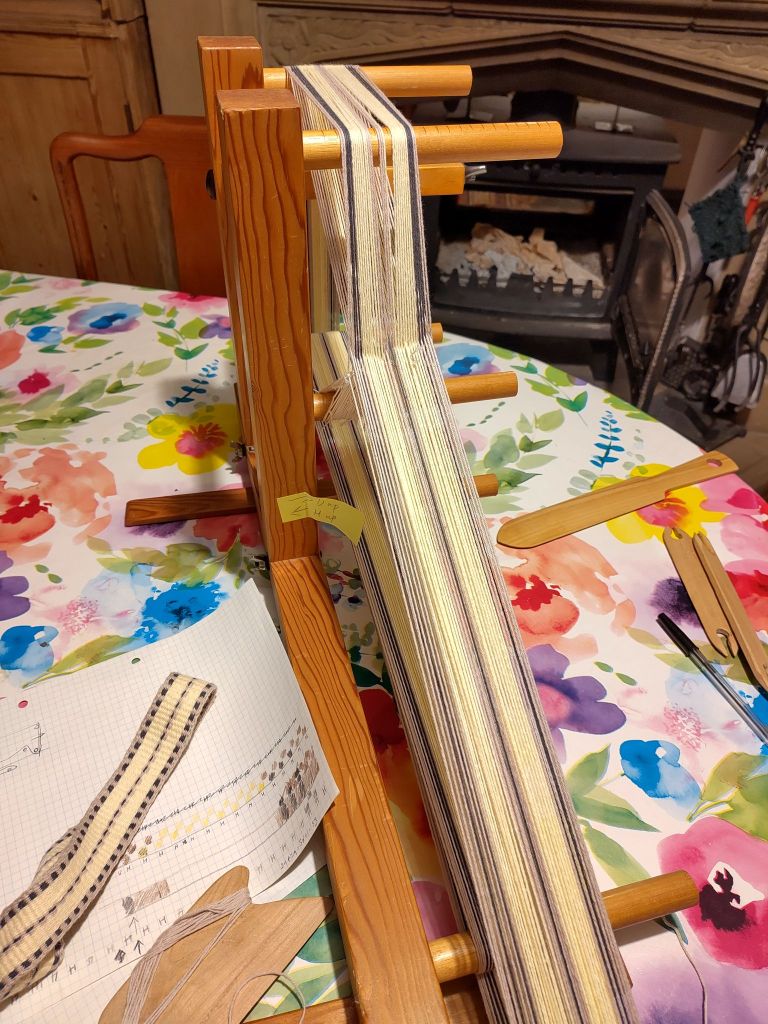
Inkle loom warped up and ready to go

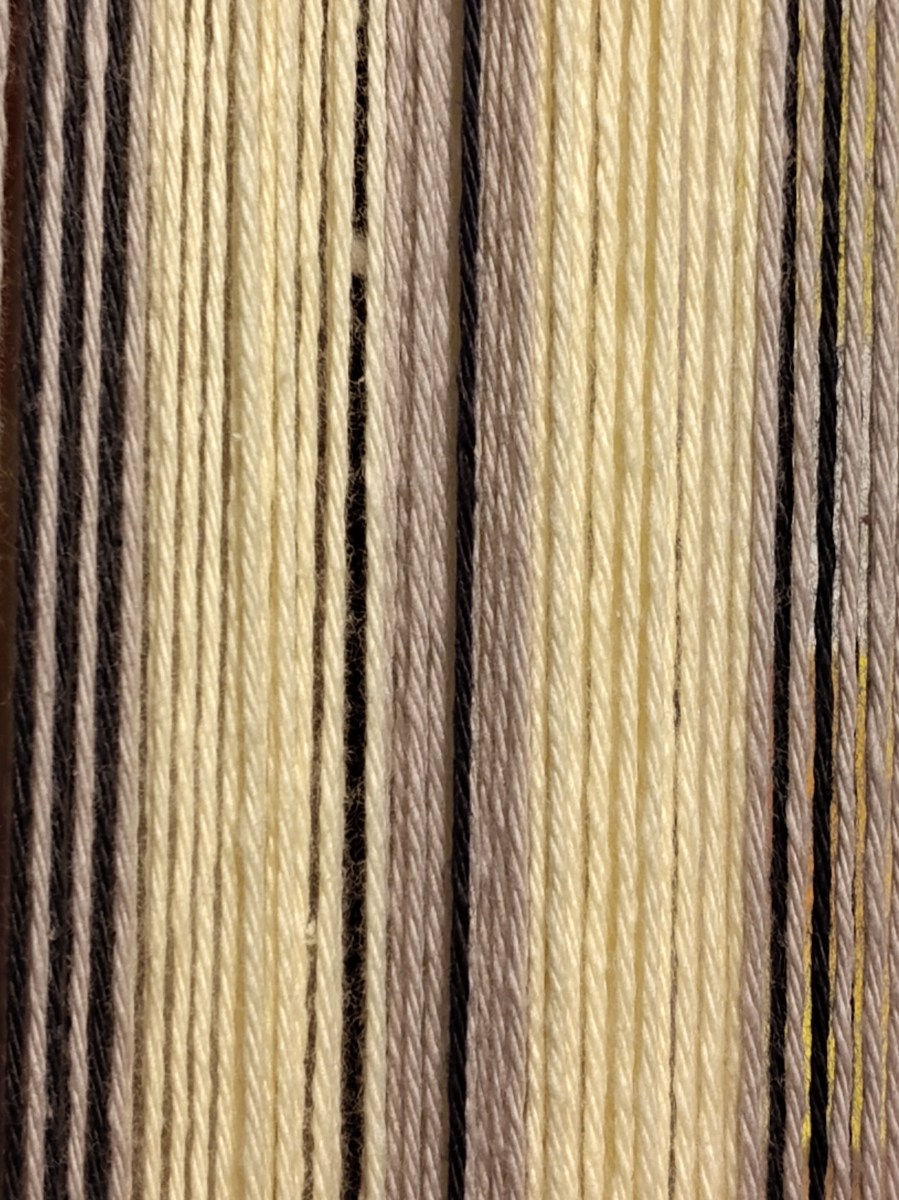
After almost a year I have got round to putting the warp on my Inkle loom to make the second curtain tie I started last April, (and ended up not finishing until July). The yarn is Drops 8/4 cotton.

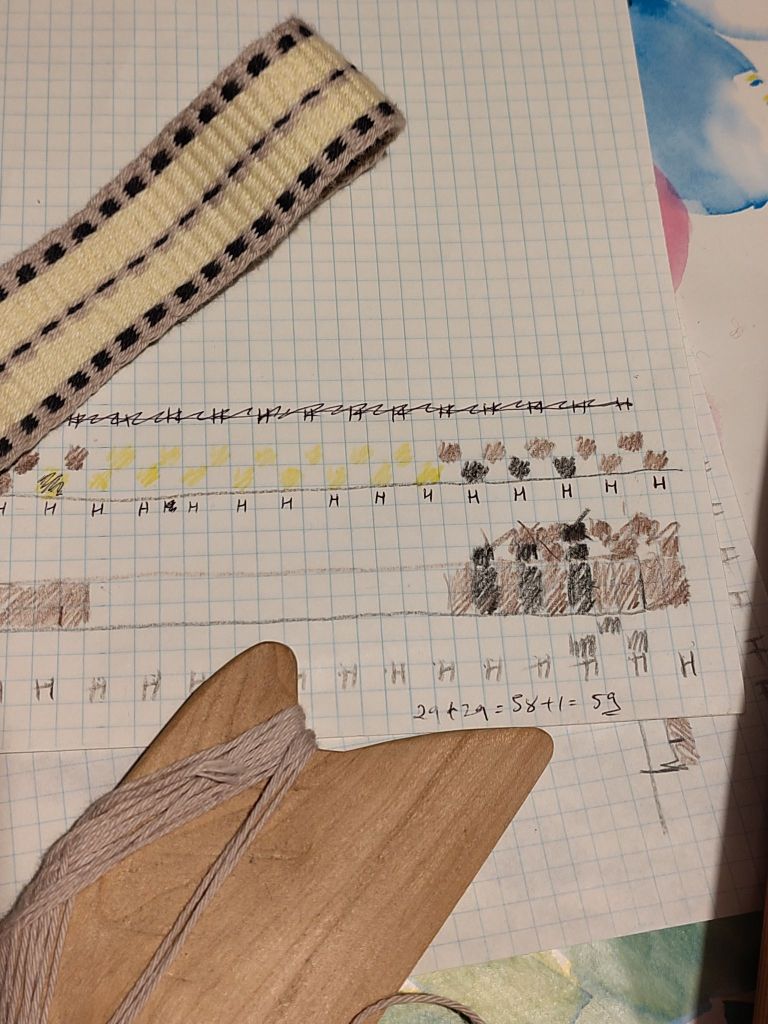
I hope I’ve got the warp threaded according to the pattern, but my notes were a little sketchy but I hope it will approximate it. Fortunately the curtains are at different sides of the room so there won’t be much opportunity to compare.

Of course not only had I forgotten the pattern, I’d forgotten how to put the warp on. So to begin with I put everything over the top bar and had to re-thread the first four or five threads.  Luckily I had saved my heddles so I know I’ve got the right number of threads because I’ve got the right number of heddles.

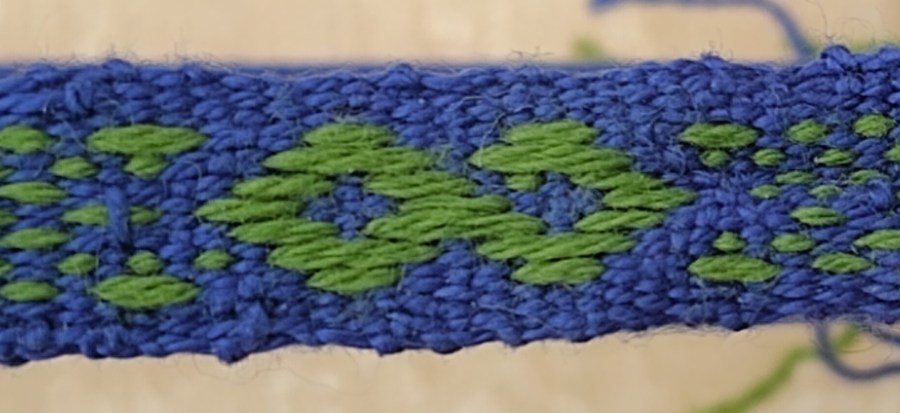
The first band I made is in the photo. After a wash the cotton becomes soft but still holds it’s shape.

Or really sorted up the process of warping to leave a long tail attached to the first thread and to tie every new thread onto that tail as I worked across the warp. So you don’t have to cut your threads  until get to the end which I really like.

Getting going

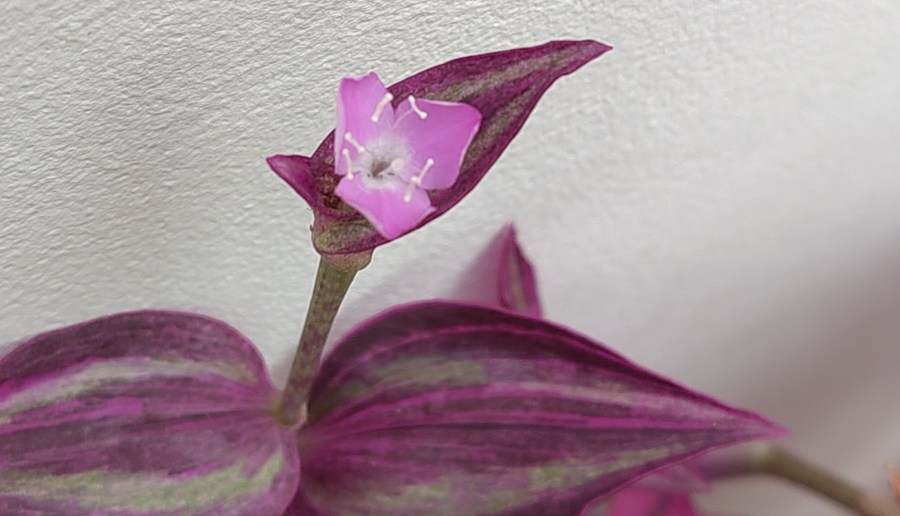
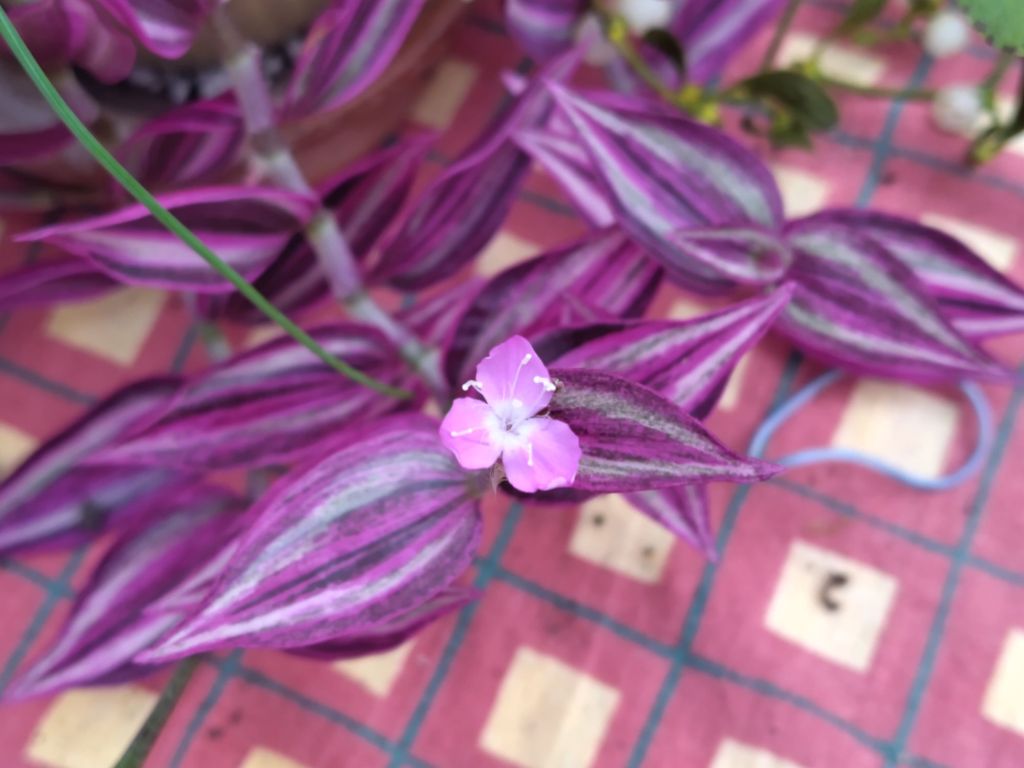
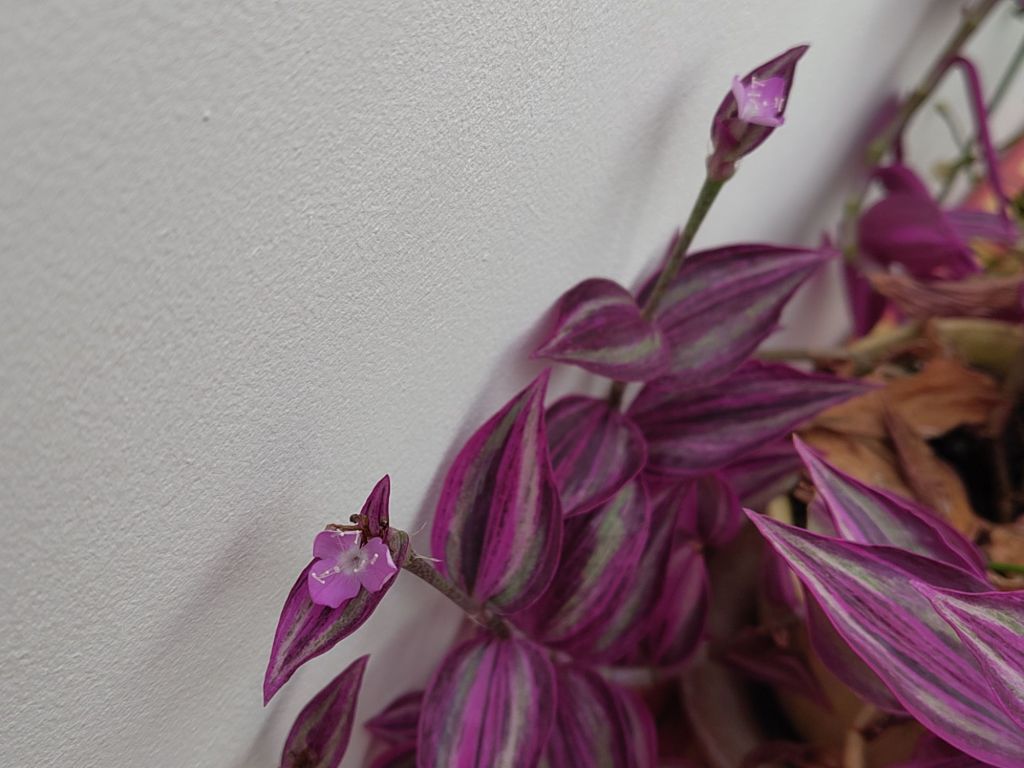
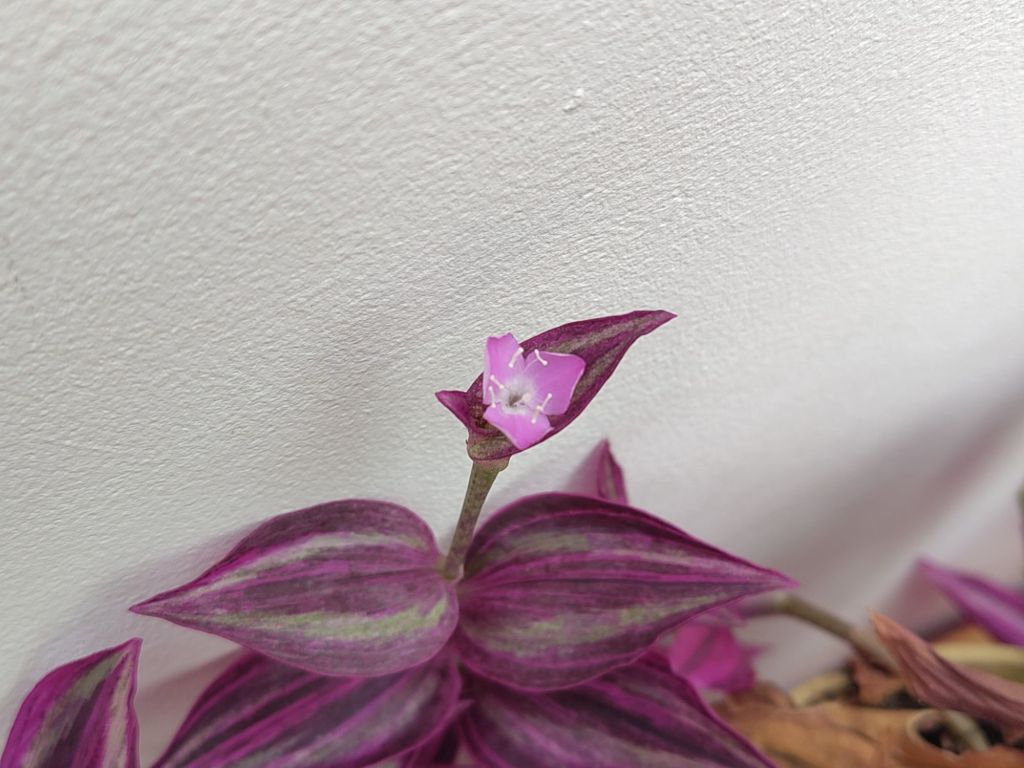
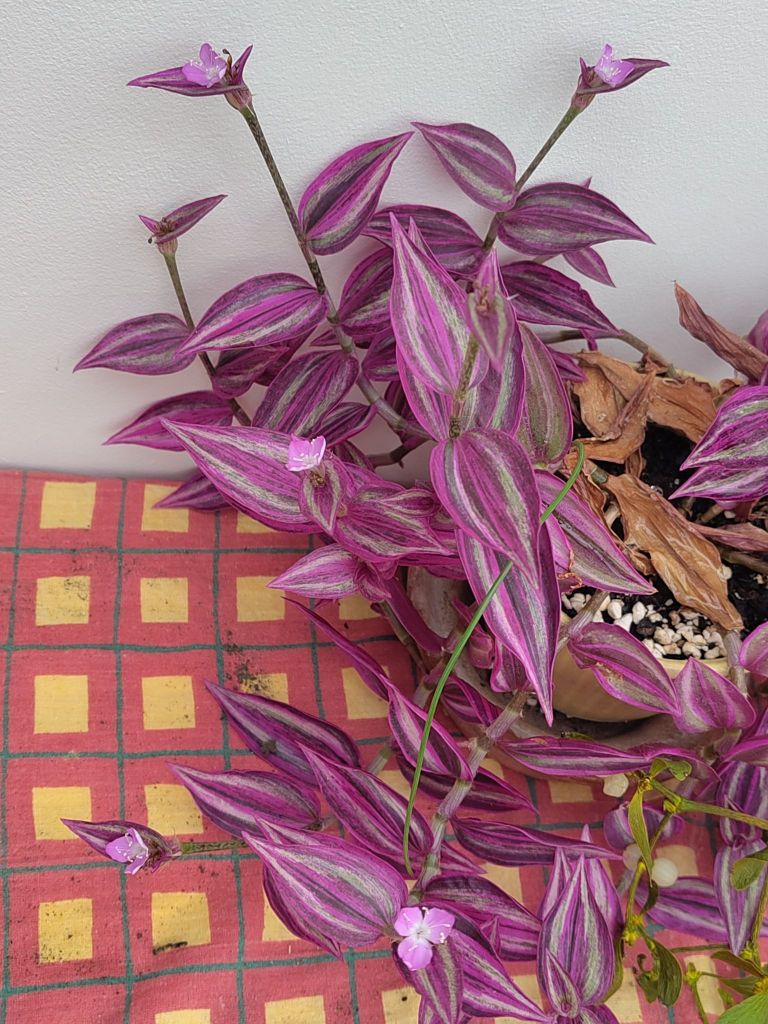
Pink tradescantia flowering

I had no idea these plants flowered!

This plant is sitting in the conservatory waiting for the spring. It was only when I watered all the plants in there that I noticed these sweet little flowers.

I bought the plant as a tiny cutting and repotted for the conservatory and it has flourished in there since then. Clearly the best place for it.

Sock mending this evening

It’s a howling gale outside tonight, so the place to be is by the fire doing a bit of mending. The subject is a pair of socks machine knitted from my hand spun yarn. These sticks are like , ‘Trigger’s broom’ from Only Fools and Horses.

I plied the yarn from singles of Alpaca and Texel fibre, but did not include any nylon. Consequently, but after a reasonable amount of wear they have begun to thin and finally the stitches have burst. First of all the big toes went, and now the heels.

I had a little of the yarn left, but now it’s onto improvised and colourful mending…

The toes that were mended a while ago
Todays heel mending

I used one of those little mending looms for the toe repair, but the heels have been done ‘freehand’ using a technique from a 1970s mending book. I bought this useful book secondhand when a penniless student in the 80s, well before ‘slow textiles’ and ‘visible mending’ became a thing. Since then, useful book has helped me extend the life of many items for reasons of economy and necessity rather than fashion. Now my mending is on trend and it’s good to see the skill encouraged by a plethora of modern books on the subject.