A ‘wow’ review of ‘Translating Between Hand and Machine Knitting’

I found this review on Facebook ‘Machine Knitting’ group, and have to share it. I was so thrilled that this reviewer ‘got’ the book so thoroughly.

Book Review:
Translating Between Hand and Machine Knitting by Vikki Haffenden
☆☆☆☆☆☆☆☆☆☆ 10:10
“This book ought to be mandatory reading for every new machine knitter!” -me
“This book needs to be on every machine knitter’s manuals shelf, in pride of place, no matter if you use Silver Reed or Brother!” -me
“Where was this book when I was desperately trying to learn how to design lace/translate lace cards between Brother and Silver Reed?!?!” -me

This book is absolutely essential equipment as far as I am concerned! It starts out covering and comparing materials and equipment for knitting, both hand and machine versions. The pictures will blow you away and they only get better. Please, at this point, re-read the title. It does not state ‘pattern’ in the title.
Next it goes into stitch construction and compares hand and machine and final product of each. This book give equal time to both! It goes into yarn fiber types, yarn construction(spinning), yarn types (boucle vrs worsted). The details are absolutely in depth and extremely easy to understand with stupendously clear focused pin-pointed and highlighted photography and exemplary diagrams that compare every aspect of stitches, fabric, mechanics, of hand and machine knitting. It breaks down differences between brands when there are differences, and does not favor either. There are some references to Toyota and Passap, but the main info concerns Silver Reed and Brother. This covers every type of cast-on and cast-off that I could remember!! It isn’t a how-to… it compares them and shows some GREAT visuals of them on and off the needles. Refer to your manual for specifics on how-to cast-on and cast-off. Basically, this book compiled most of the answers to questions I have asked in the past, questions I have hunted down answers to, and questions that I hadn’t even thought to ask. It is utterly fantastic. Only the very last chapter goes into translating PATTERNS between hand and machine…

Buy it! Buy it NOW!
I can not say enough how much you need this book! How much I needed this book… now if I can just convince her to write one on Passap…
No! I have no affiliation with the author… I wish I could say I know her.

Since reading it I have replied, so let’s hope we can converse about knitting I the future.

Fancy yarn workshop; spinning boucle yarn

Yesterday I had a fab time at a workshop learning to spin fancy yarns. We only managed boucle and slub but that was so rewarding. The workshop was organised by the Brighton and Hove Textile Arts Group and hosted by Spring Farm Alpacas in Fletching West Sussex. Ann Dishman led the workshop and provided Blue Faced Leicester tops, still various and other threads for us to spin with.

Although I have spun both types of yarns before, I learned a lot and really enjoyed having four hours in which to practise the techniques. I also found out that Ann had been taught to spin by my spinning hero, Mabel Ross, which made me extremely envious.

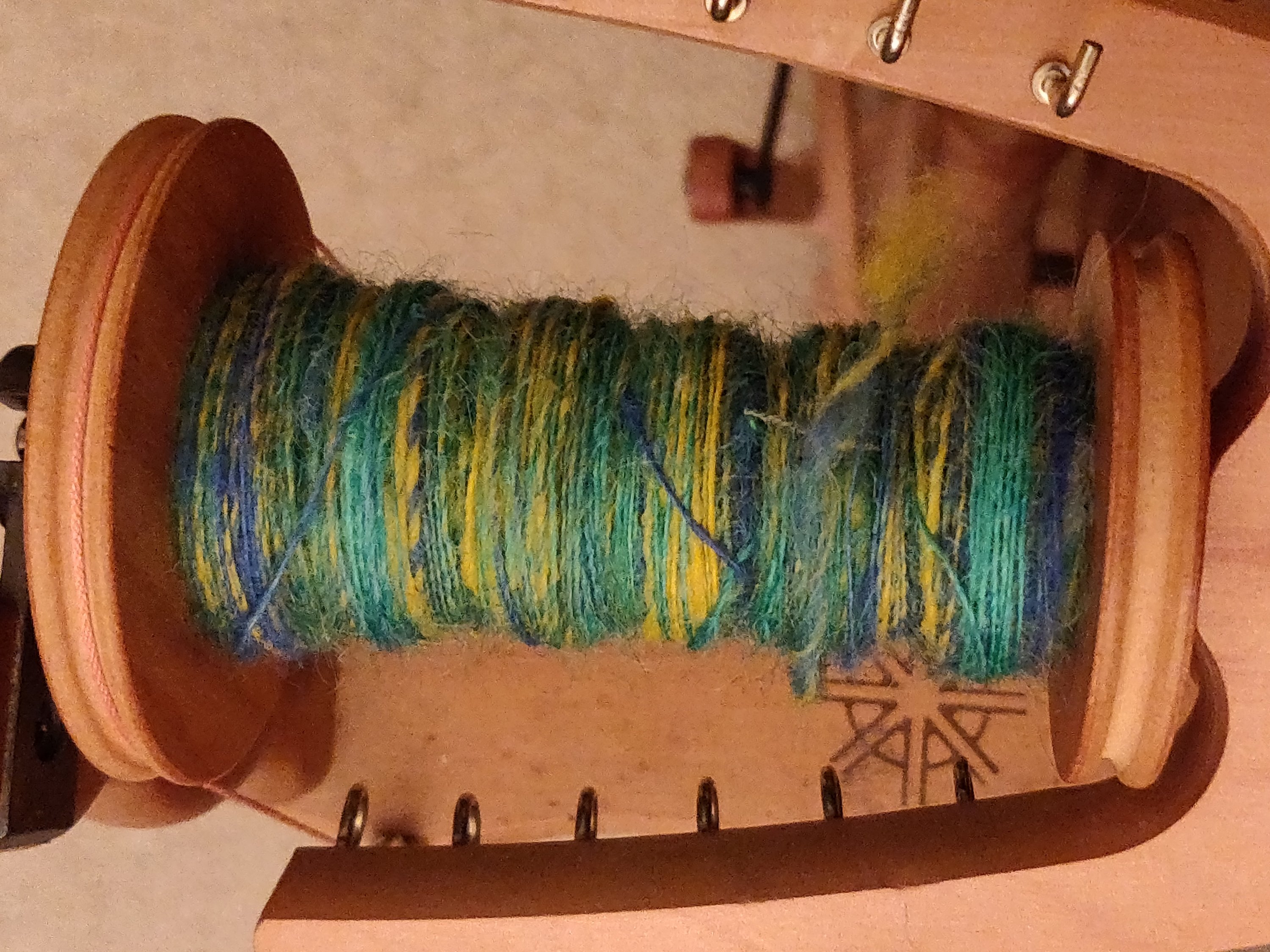
Unwashed boucle, Blue Faced Leicester singles and loops, cotton binder.
Unwashed the boucle was a bit lively, but it balanced out nicely after a strenuous washing.

Unwashed soft slub; Blue Faced Leicester singles with a fine industrial wool binder.

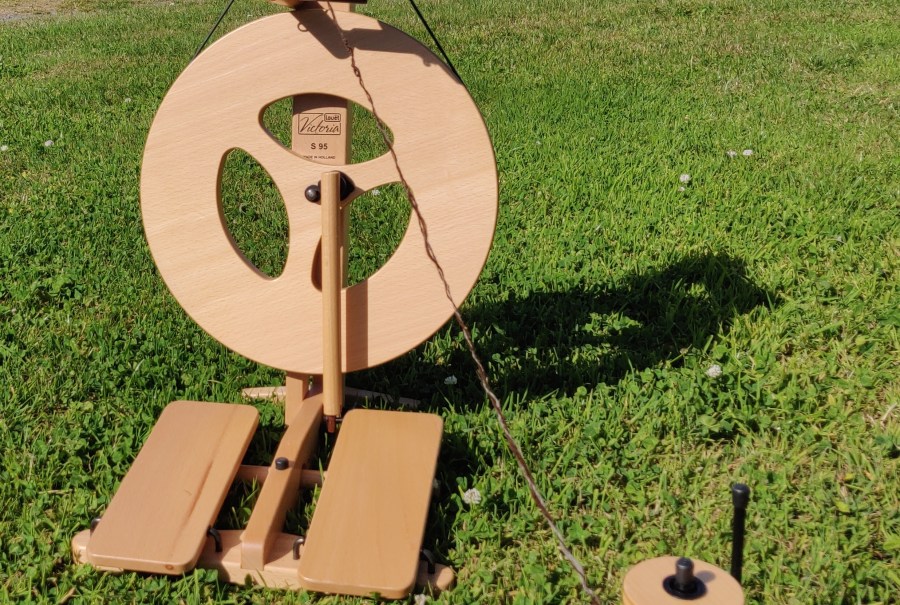
I took my Louet Victoria travel wheel and at usual she spin well and reliably, it was the user who made the mistakes!

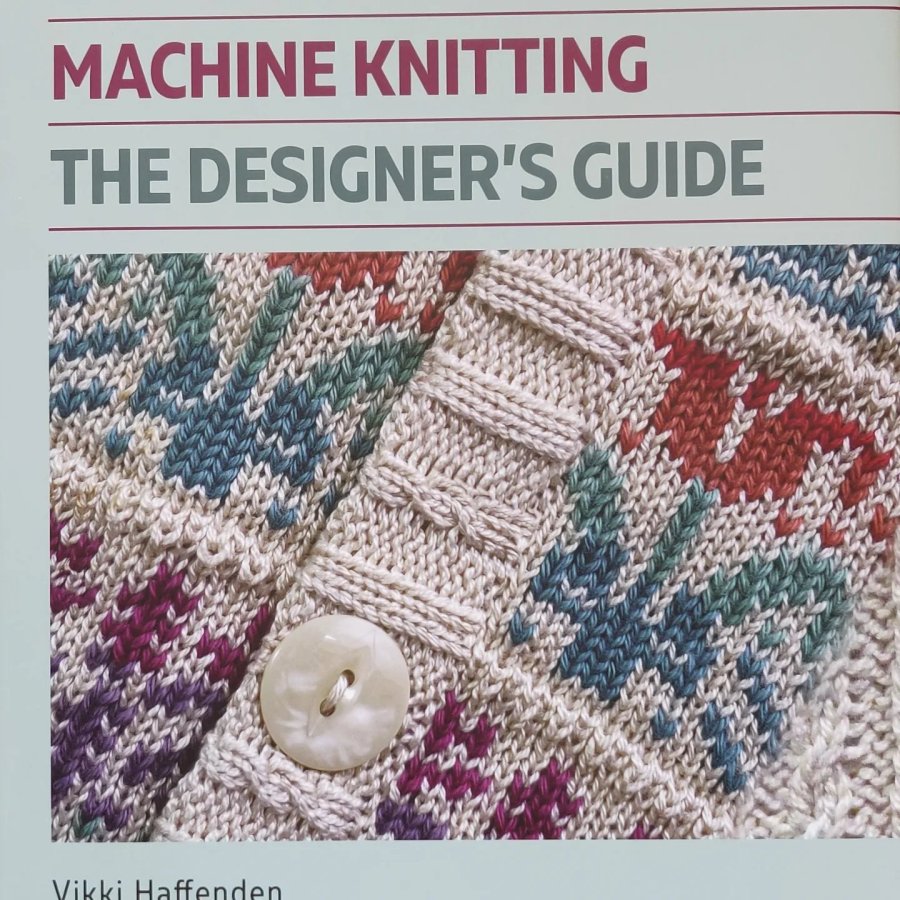
‘Single and Double Bed Machine Knitting; the Designer’s Guide’

The advance copy of my new book arrived today, and you can see some pages from the book here.

Meanwhile here is a quick look at the book.

I have made a more in depth video introduction to the book, and if you would like to watch this, please keep on scrolling down the page.

Acid dyeing session

Having acquired a Devon/Cornwall fleece that is quite similar to a Romney in feel and quality, I thought I’d dye some for blending. This fine will be great to comb for a semi-worsted spun yarn.

One of my favourite methods for safely dyeing fleece without matting the fibres is to use a slow cooker. I have a large family sized one that will dye 100g comfortably and 150g at a pinch, and a single-person one that does 20g for samples etc.

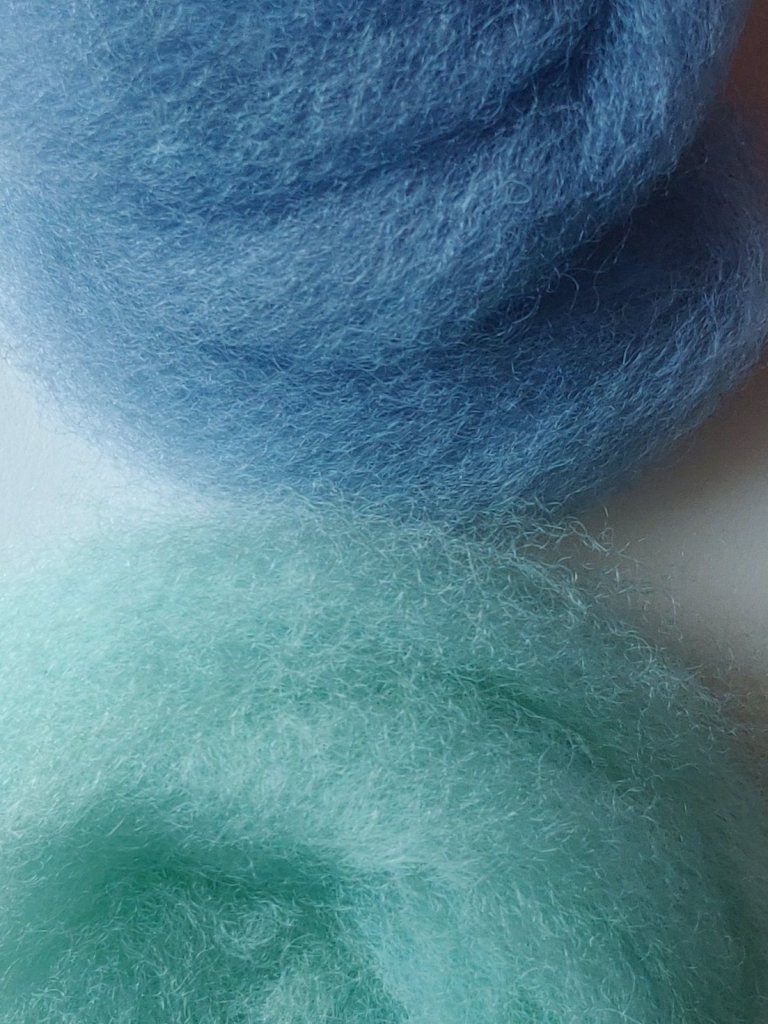
Using a pre-mixed colour I’ve used before I did a blue first. However, on this fleece it came out darker than I anticipated, but will probably lighten up once combed or carded and spun.

From the remains of the dyebath I got a pretty light turquoise.

The blue at the back, turquoise at the front

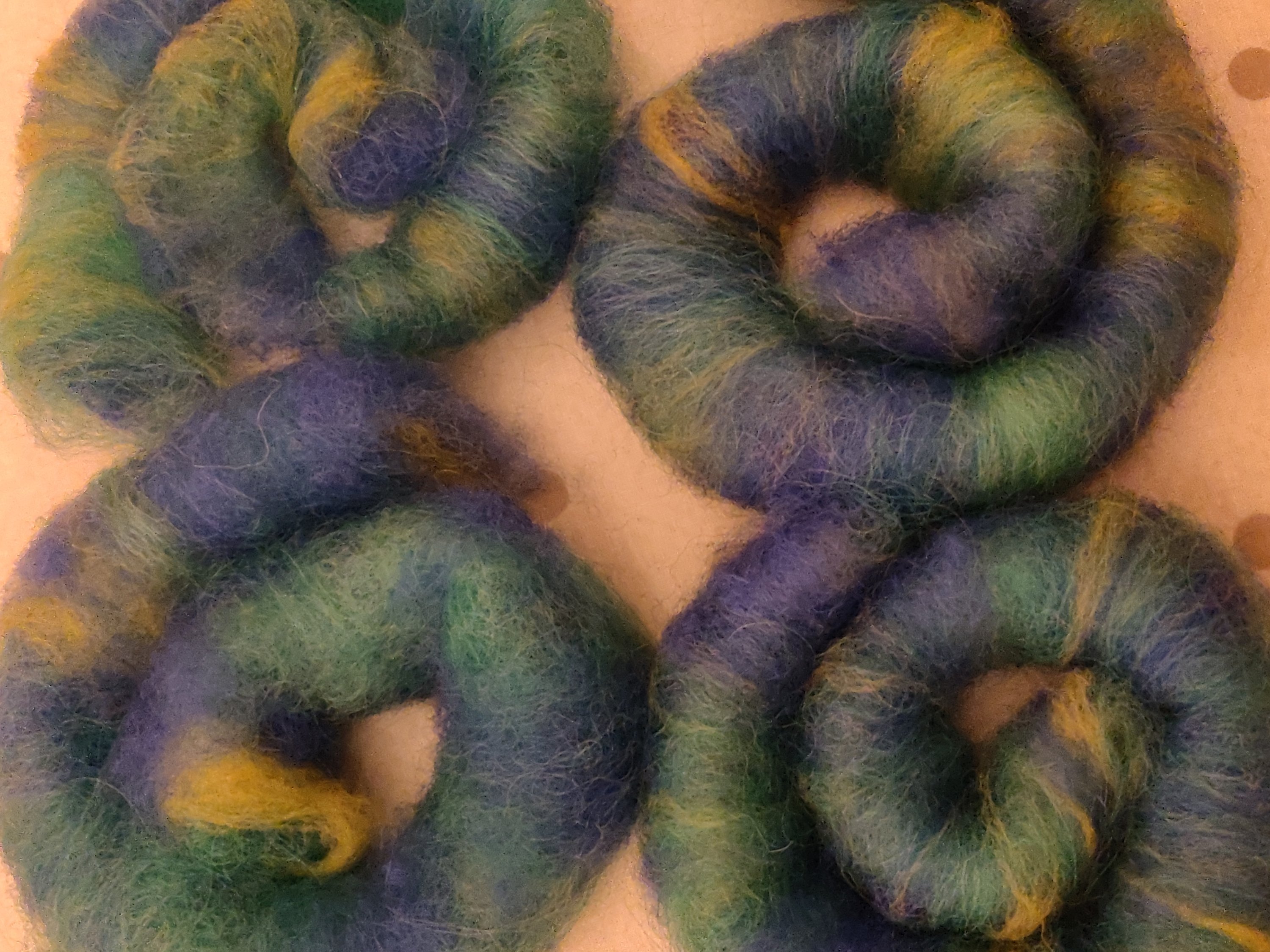
I have combed these colours as shown in this video.

Note that in this video I talk about ‘roving, but technically I am making ‘tops’. Roving is a similar narrow length of fibres drawn off a drum carder (usually, but can be hand carders) and has a slight twist added to keep the fibres together.
After combing, both colours have come out as
I hoped.

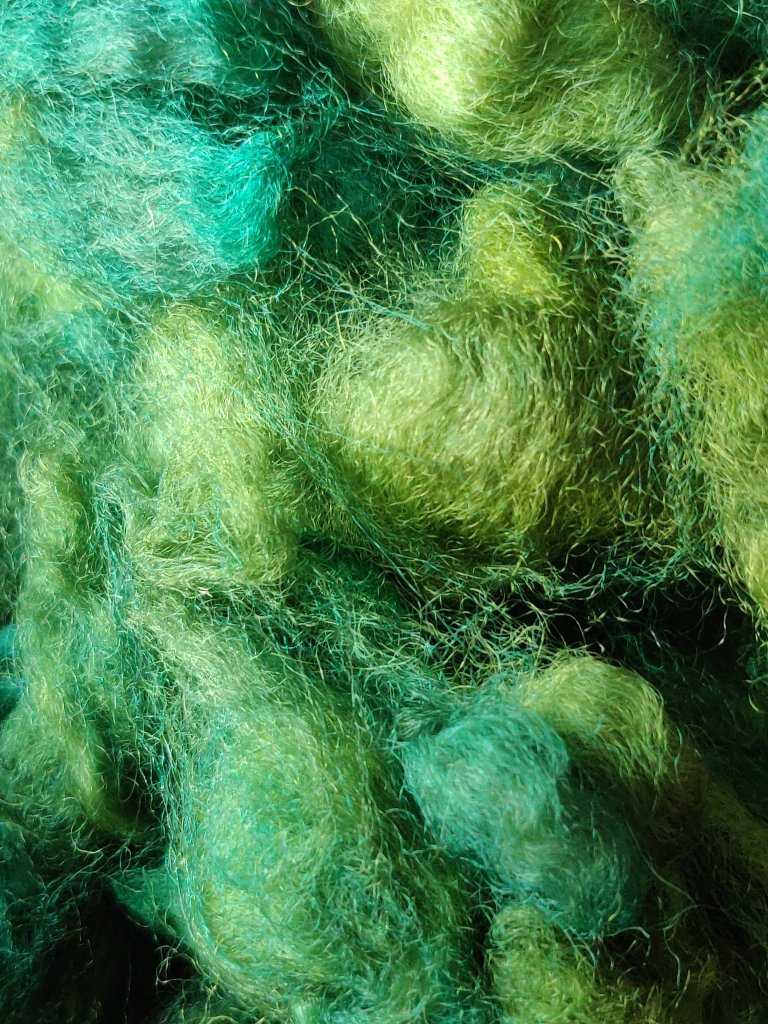
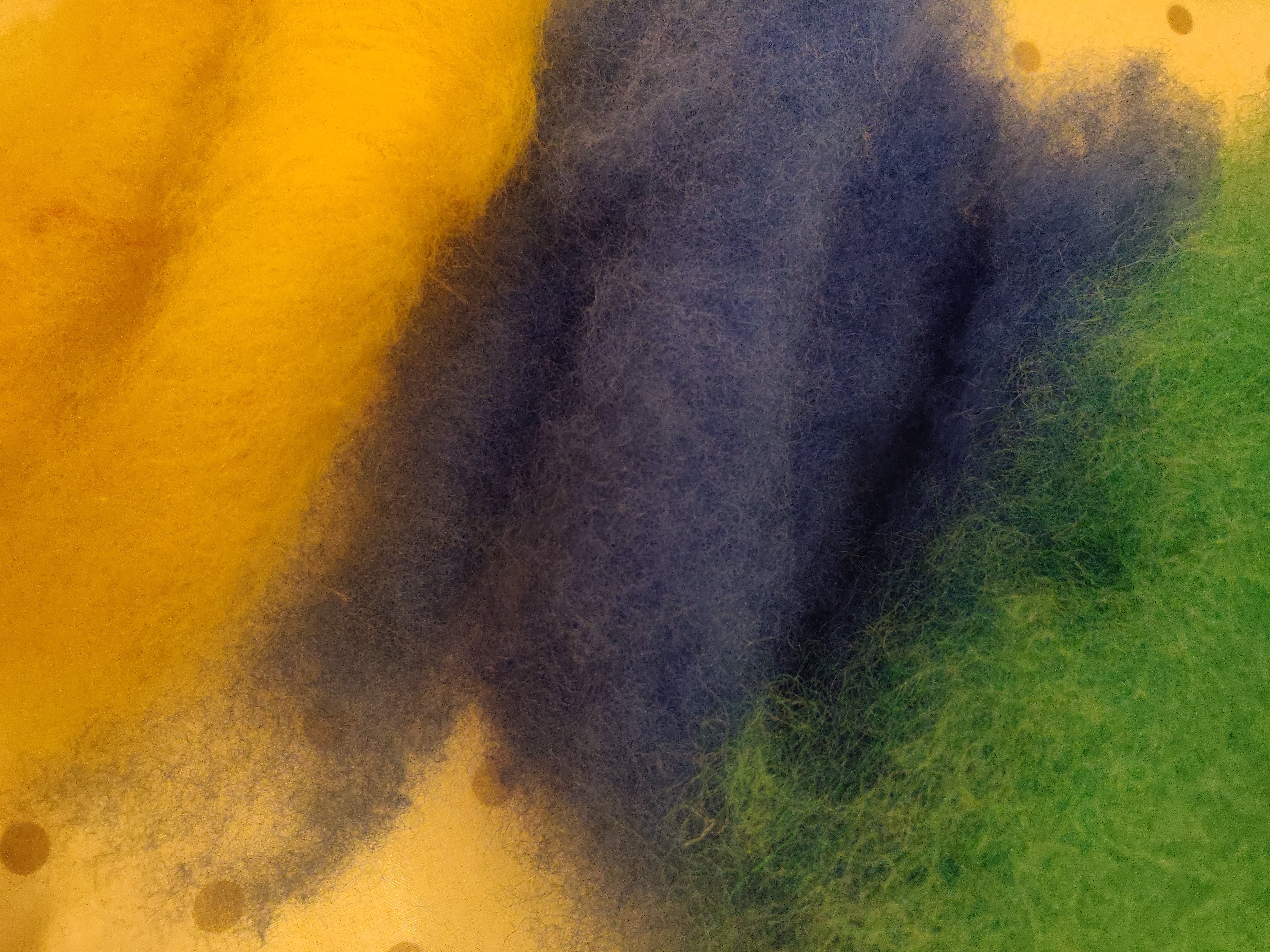
I also wanted an olive green, and have a recipe that worked perfectly on a Dorset fleece last year. I must have made a mistake somewhere, because I got a dark green instead. Maybe it is the different fleece, but I think I got my proportions wrong!

Pretty enough, but not olive green!

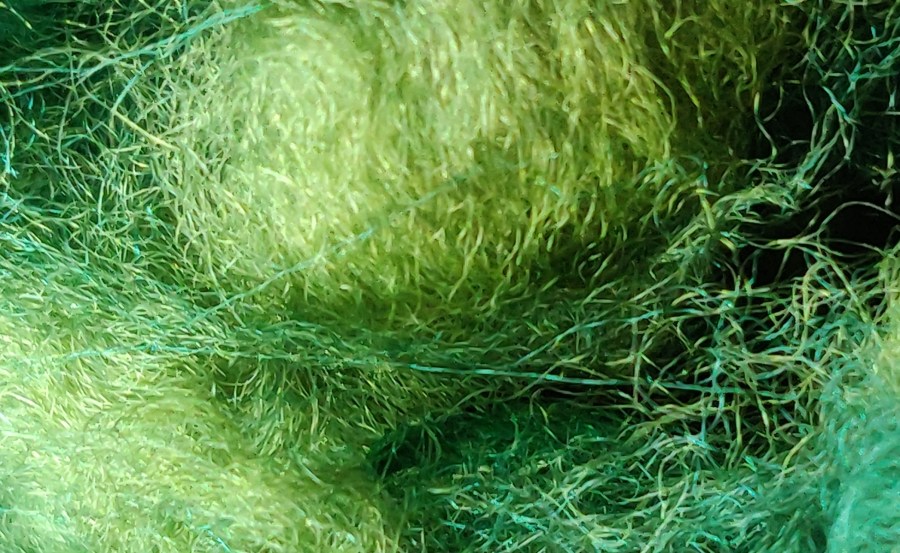
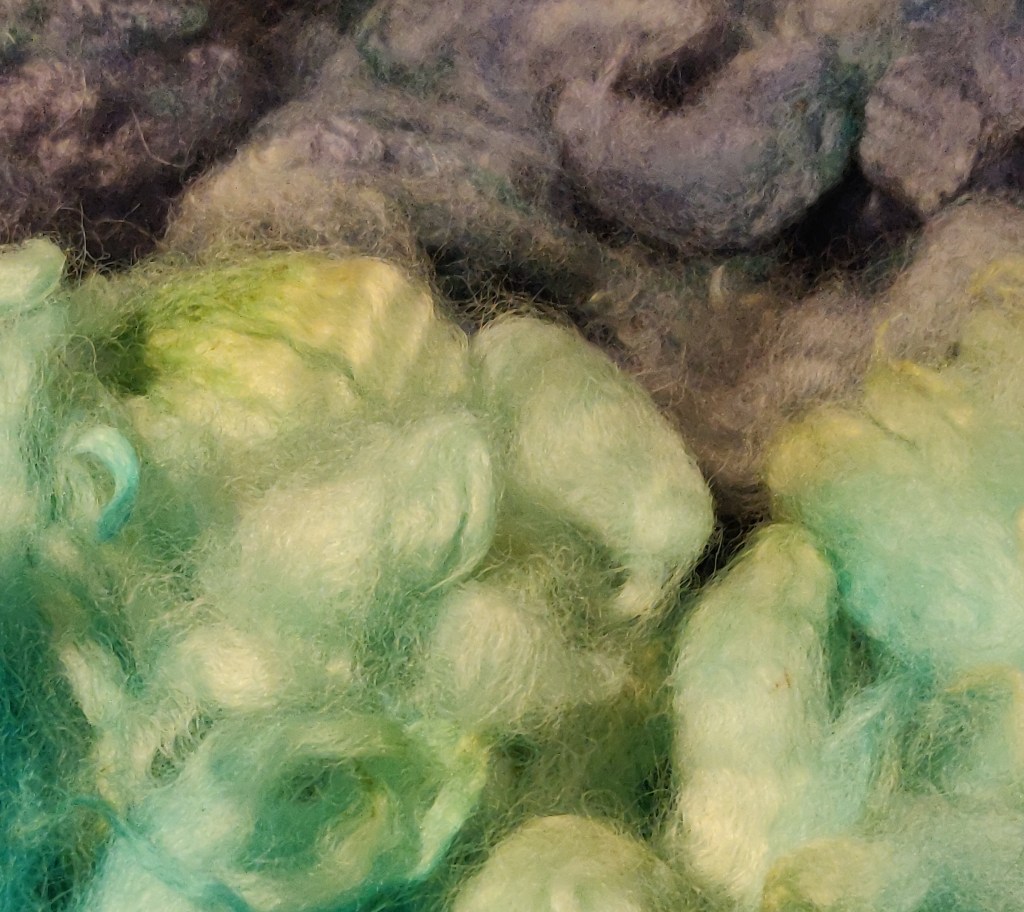
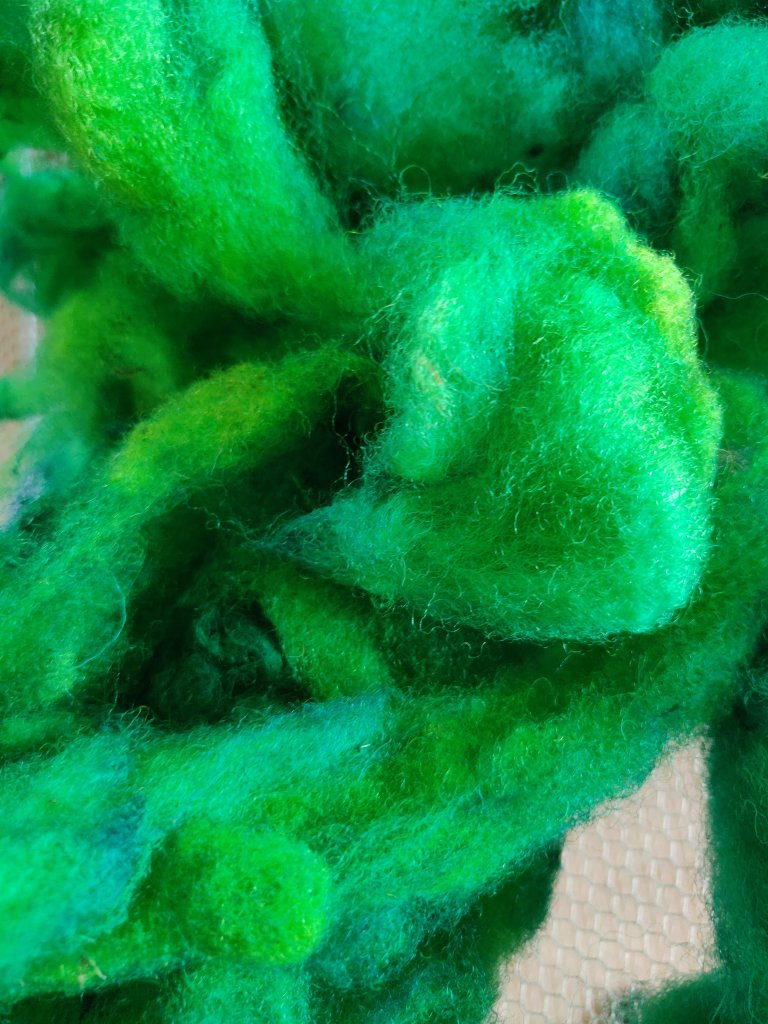
Once again they was some colour left in the bath, so in went 100g of Dorset fleece. OMG, the colour was bright! No idea what I did wrong, but it makes me blink.

The only compensation is that the fleece has not called at all due to using the slow cooker method.

That bright green total exhausted the dye – no surprise really! I will probably card this as the staples of the Dorset fleece are short and it is a soft fibre. Great for soft woollen spun yarn.

If you are interested in discovering the difference between different terms such as roving, tops etc, click here to read Abby Franquemont on Spin Off.

Suint bath and lovely locks

I’ve been running a suint bath for washing fleeces this summer. Whilst the temperatures are reasonably good the suint has worked well. I’ve actually finished washing all the fleeces now so we’ll probably use the diluted suint bath as fertilizer.

Suint is explained it chemical terms by other people far better than me, but basically it means that the fleece soaks in a liquor composed of the sweat and dirt and developing microbes. The bath is built up from other fleeces. I use the dirtiest fleece first as that made the best base for the suint and have worked through 5 fleeces weighing about 1-2 kg each before going into the bath. I skirt and sort the fleece first because I don’t see the point in washing really dirty stuff that’s never going to come clean, but I equally try to preserve as much of the fleece as possible. I’ve got a bucket of the really unsalvageable stuff soaking so that I can use that liquid as a fertiliser as well.

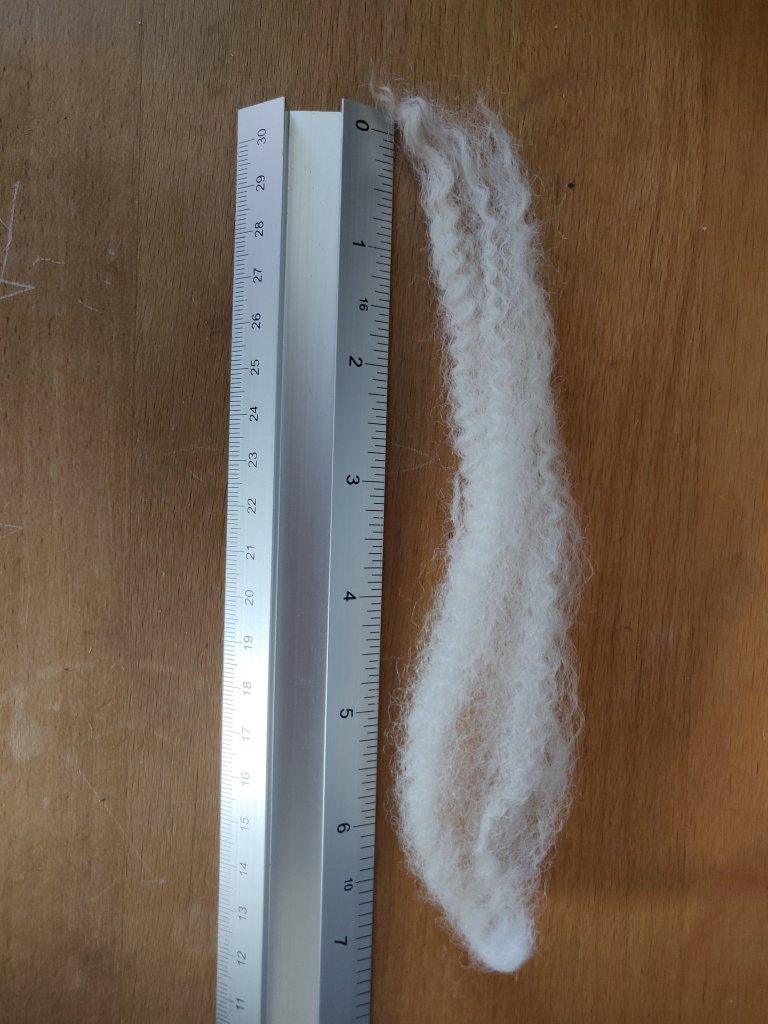
I didn’t take a photograph of the locks of this Scoth Mule fleece before the suint bath so can’t make a comparison but it has come up beautifully clean.

My process was as follows. I laid The fleece out on a mesh grid cleaned as much of the dirt out as I could by shaking it and then skirted it. Next I sorted it into qualities, picked out as much vegetable matter as I could. Each quality was put into several smallish mesh laundry bags and then into the suint in manageable quantities. The suint bath really stinks, which I think must be caused by ammonia, as it makes my eyes water!

I left the fleece in the suint for 5 to 7-days then using rubber gloves and, with a peg on my nose, I removed it and left it to drain. Once it was drained, I rinsed it in a couple of changes of clean, cold water. Because I didn’t want to put the stinky mess in spin dryer I swung and it around to remove excess water.

Next I washed the fleece in batches in hot water with Eurolana wool wash. This is good as it cleans well without loads of suds so rinses out easily. The smell was slowly fading, but even after two rinses it lingered.

A final spin and then the fleece was emptied out of the mesh bags into a two-tiered flat mesh dryer. This goes outside and by the time the fleeces are dry the smell has gone. Phew.

One of the clean and gorgeous locks

Plein-aire spinning

A bit like outdoor anything – providing its not raining or freezing – spinning is enhanced by the open-air. I took my little Louet wheel with me whilst on holiday on the Pembroke coast recently. We were being careful and avoiding towns etc in our caravan sitting on a farm, so there was plenty of opportunity to spin in the lovely sunshine. It seems ages ago now, but was so refreshing.

Victoria beside the caravan, enjoying the view.

I took a bag full of mixed colour Jacob’s fleece and sorted it into dark and light before hand carding it. Ifirst of all spun a skein of cream to test the tpi and grist I was aiming at and on a rainy day decided to dye it with the onion skins from our soup.

All very earthy!

I can’t resist a marl yarn, so plied the colours into variations on this.

From left: knot or knop marl, slubby marl, onion dyed 2 ply, chain plied random carded colours

First ‘in person’ TAG meeting of 2021

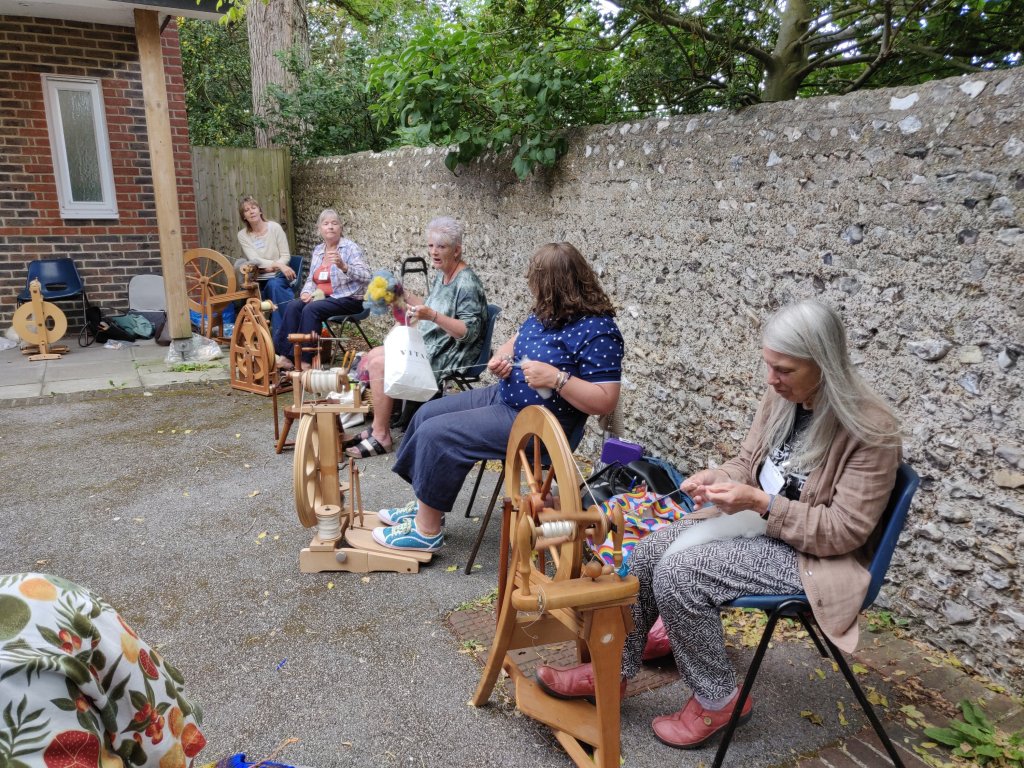
Our local Textile Arts Group (TAG), finally managed to meet today. Eight of us met up with Covid secure arrangements and as the weather was sunny we were in fact able to sit outside the hall to spin, knit and talk.

It was lovely, and everyone has been busy learning new things and perfecting their skills during lockdown.

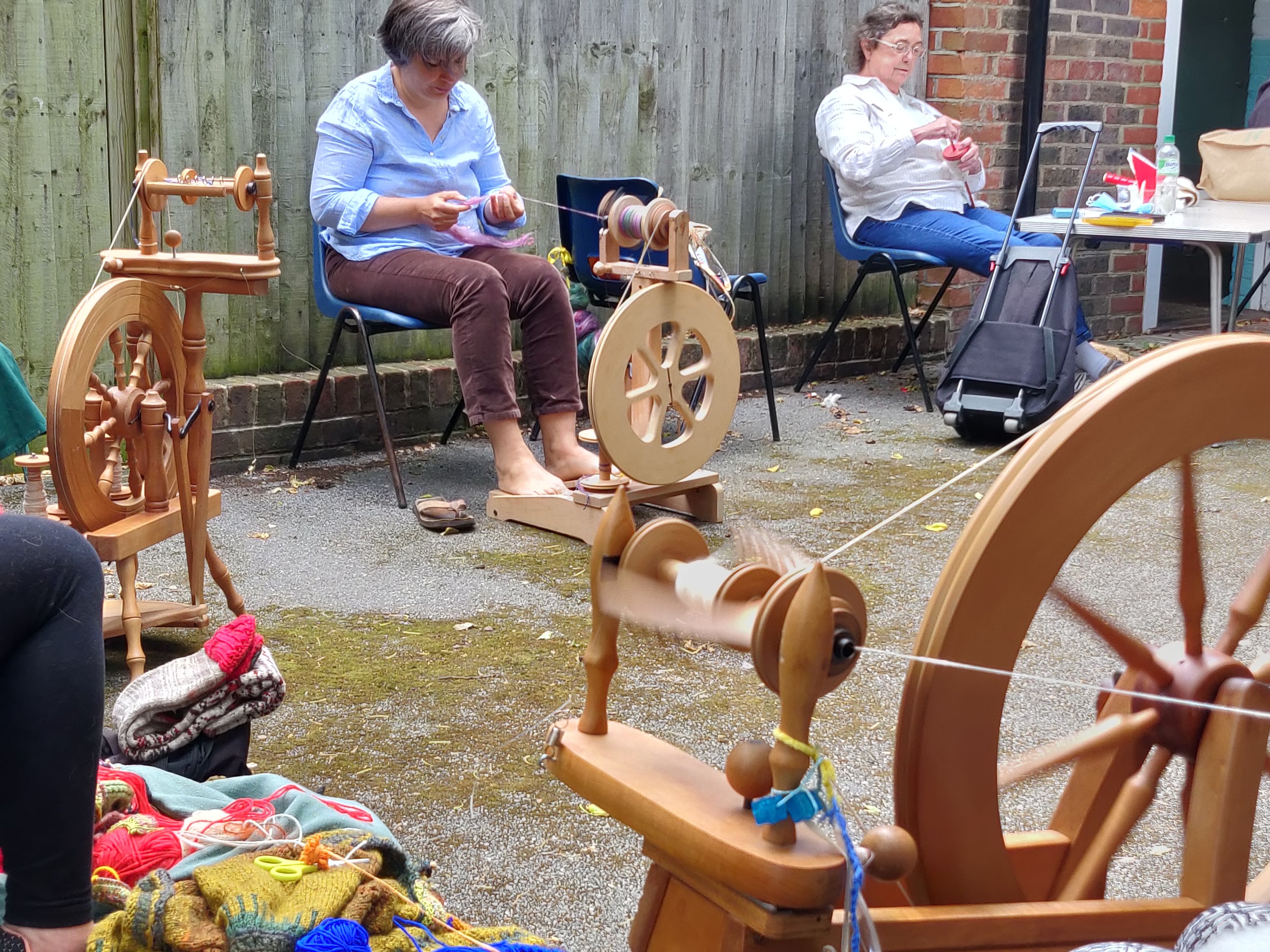
Wheels all going madly
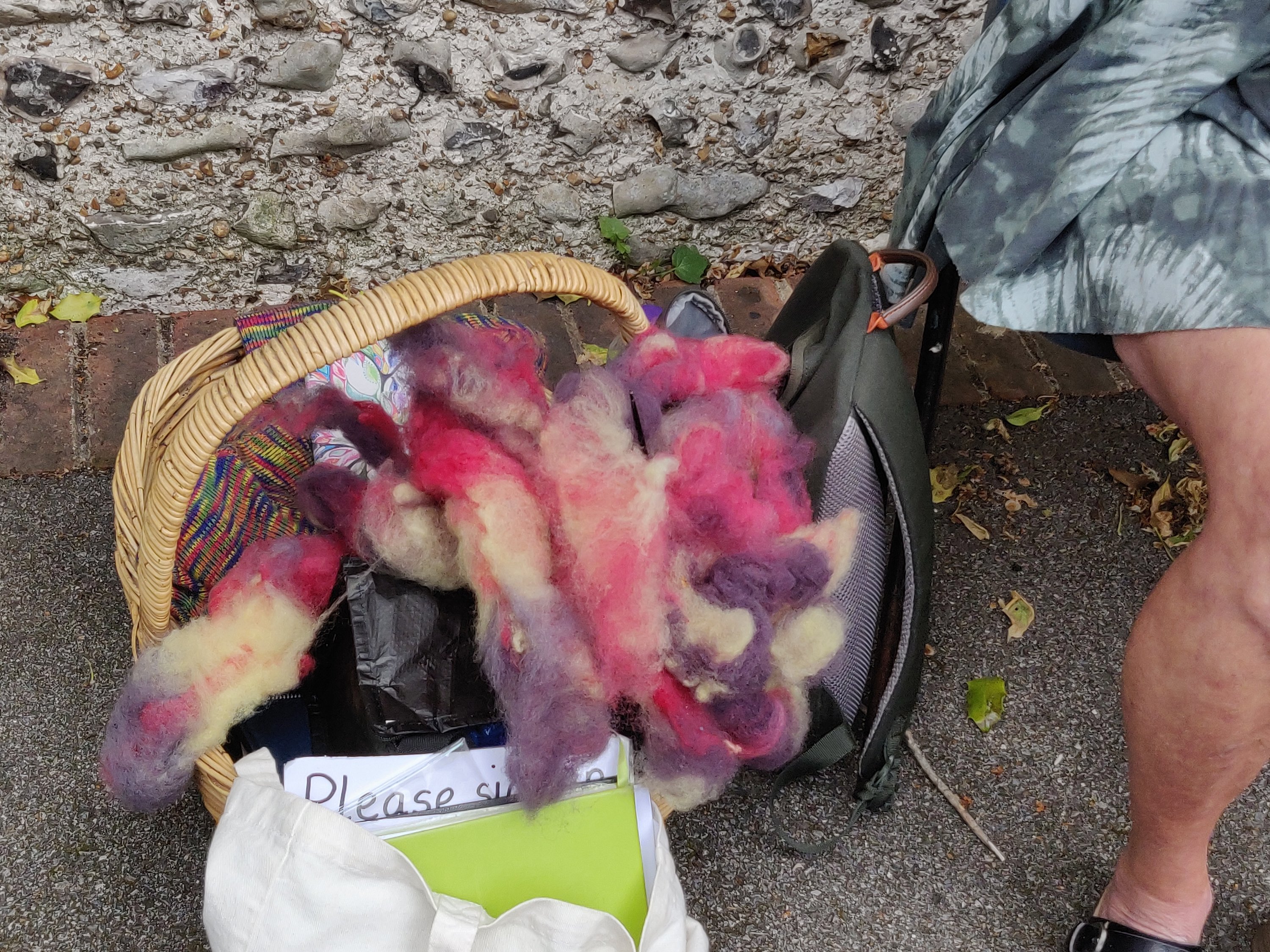
Natural dyed fibre

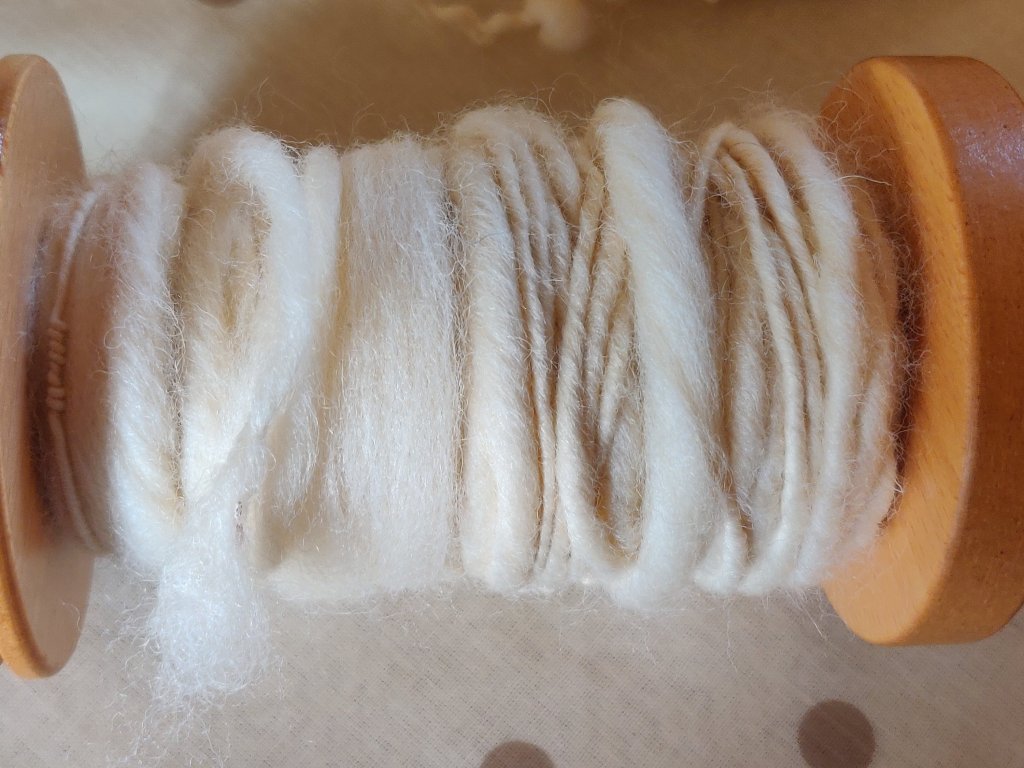
I took my Louet Victoria folding wheel and spun up a bag of Suffolk fibre that will be used as the core for a fancy yarn.

New members are always welcomed. If you live near Brighton and like to know more, or would like to come for a taster session, do get in touch.