Final sample for my latest book about machine knitting

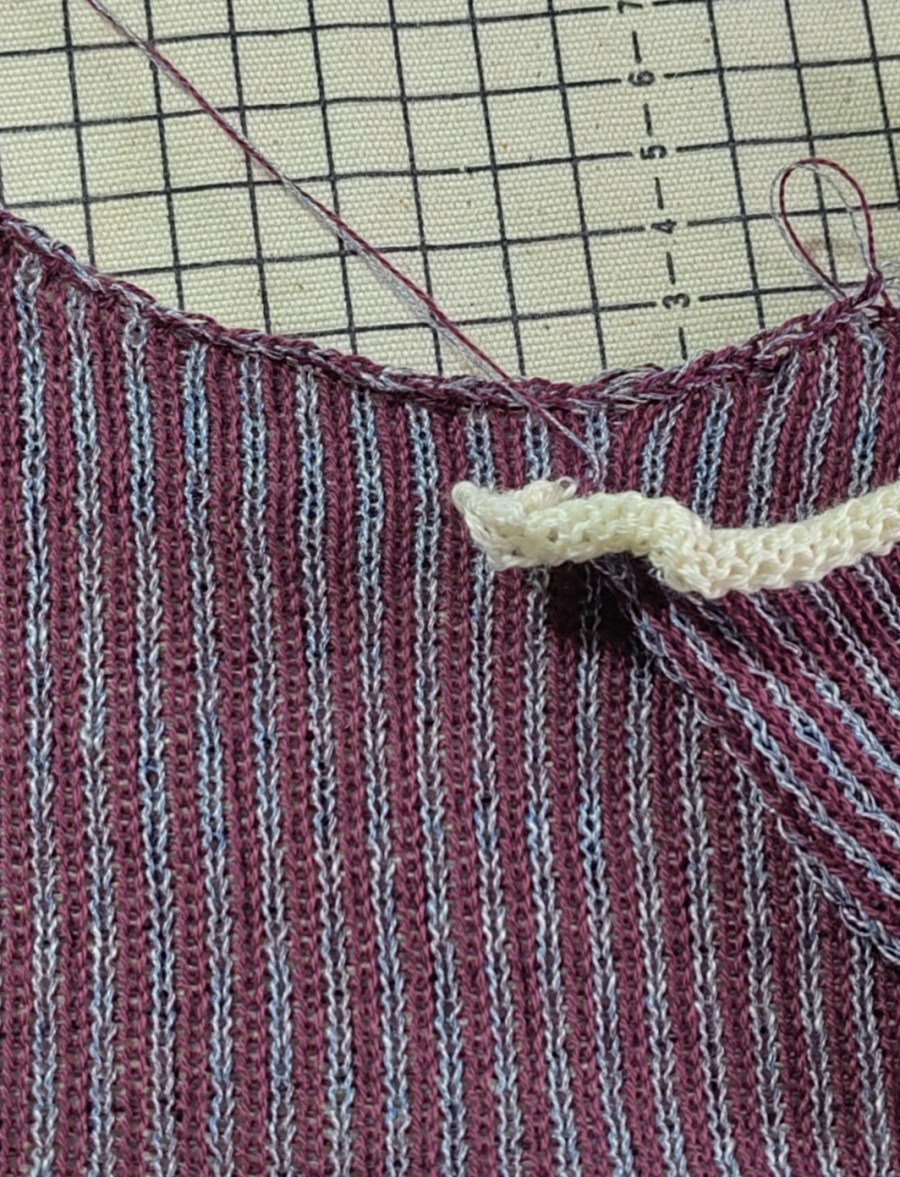
I think this might be the final sample for my latest book. The manuscript went into the publishers a week or so ago and I’m just working in a few outstanding samples and photos.

Of course machine knitters, well knitters in general, will know that ‘sorting out a sample’ is a shorthand for:

knitting several design swatches

knitting a tension swatch (or three)

working out the garment pattern

knitting it

finding you’ve made a mistake

knitting it again

steaming it

sewing it together

washing it

blocking it

etcetera, etcetera….

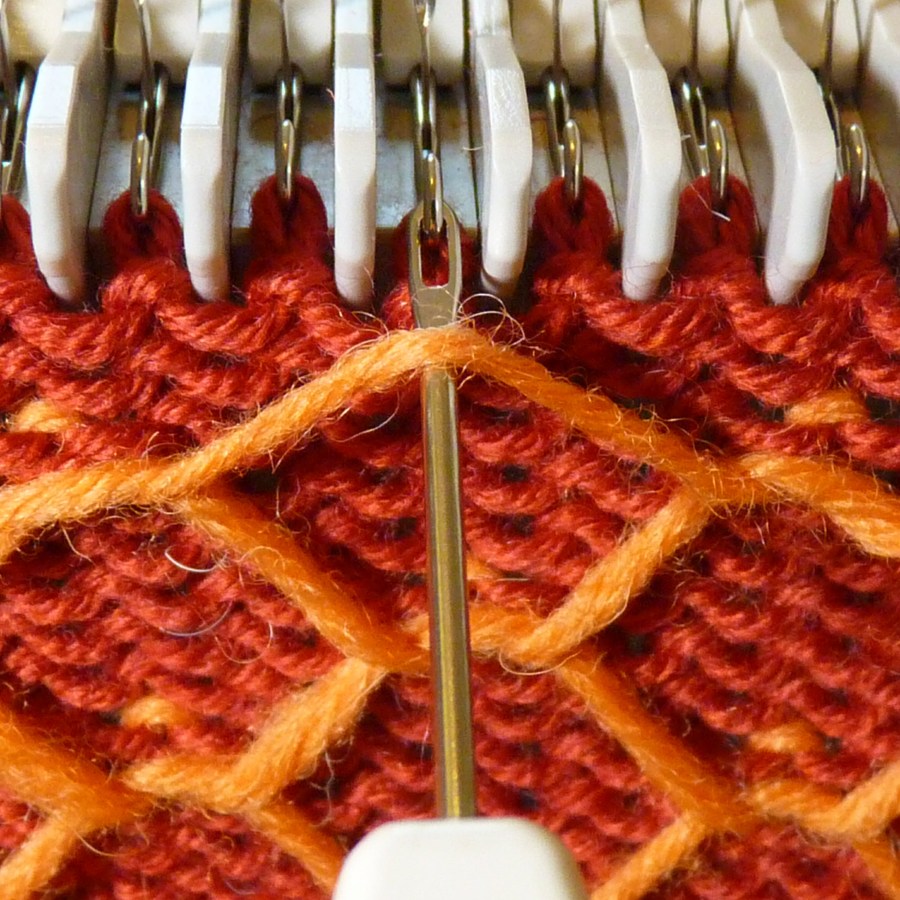
So I am just at the first steaming stage and getting ready to assemble the garment. And of course I’ve had to re-knit one piece because the dratted yarn got caught by the brushes irrevocably and it was easier to restart than try and sort that out. More haste, less speed is so very true in machine knitting. Nice and steady is always the best way.

I’m hoping this garment will be nice enough to go on the cover, but we will see.

Meanwhile let me tell you a little bit about the book. The title is still to be finalised, but it is all about short rows and partial knitting on a machine.  There is a lot in there for beginners, for example the first chapter is all about the principles of short rows and how you knit them and there is a whole basic techniques appendix at the back for additional support. Chapters 2 to 5 offer loads of information, samples, examples and exercises for more experienced knitters to really come to grips for short rows, and to understand how and when to use them for different results.

Chapter 6 has patterns that use short rows as they’ve been described in the earlier chapters, but applied to an item. So from these patterns you actually get to use short rows purposefully to create shape and form combined with colour and surface pattern.

So once it’s published I will obviously be shouting about it,  but keep an eye out and do pop back here for updates.
The Knitting Thingamabob – mending a Knitmaster 700 carriage and knitting socks

Replacing the tension dial on the carriage of a Knitmaster 700, some tricks and tips to make this easier. Knitting socks and hand spinning yarn for machine knitting socks.

Follow my podcast on Spotify, Google Podcasts or iTunes.

Show Notes:

Although an older model, the Knitmaster 700 is a lovely machine. It is a punchcard machine and ball bearings so it slides very smoothly on the bed. One really nice feature is that it will knit intarsia without using a special carriage. Two white levers on the left and right of the carriage activate the intarsia setting.

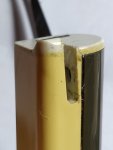
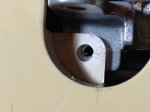
Whilst knitting the sock, I found the tension dial was unreliable and replaced this with a secondhand assembly and this records doing this.

Follow this link to the accompanying video that shows how to remove the handle, cover, dial and cam lever, replace the dial and cam lever and re-assemble the carriage.

‘The Answerlady and Jack’ on YouTube are life-savers for machine repairs.

A trick for reassembling the carriage when it is difficult to get the tension assembly back into the carriage so that it will turn all the way round.

Never use metal things to poke inside your carriage unless you know what you are doing!

Mend the plastic carriage cover or any other plastic cracks, chips etc with epoxy resin glue. If you leave the cracks, particularly if they are around a metal screw head, they will quickly deteriorate and bits will break off.

Don’t use spirit on the plastic parts of the machine, use a slightly damp cloth to wipe these parts. Metal areas can be cleaned with surgical spirit (rubbing acohol) with a drop two of oil in it. This leaves a film of oil after cleaning. Make up a small jar and keep it with your maintenance tools so that it is always to hand. Use soft cloths and cotton buds to clean your machine.

Keep your machine oiled for the best performance, oil the bed every 100 or so rows. Invest in proper sewing machine oil or knitting machine oil.

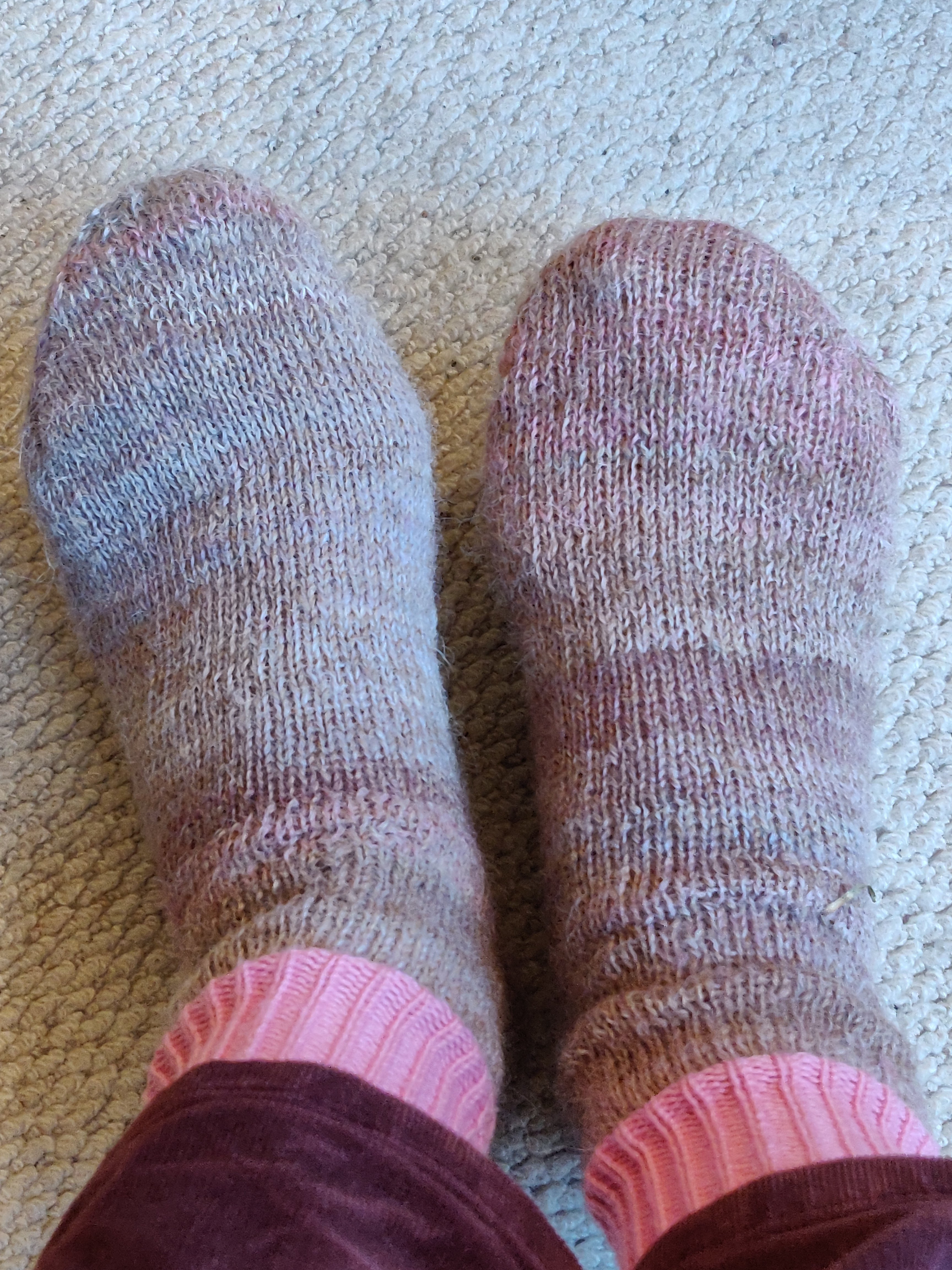
Sock knitting on the knitting machine. Not being a keen hand knitter of socks, I revisit machine knitted socks made from wool yarn. Short row heels, short row or decreased toes?

Hand spun yarn for socks. Yarn spun from locally sourced fleece of indeterminant type, but definitely ideal for socks. To save time washing this filthy fleece I used stove-top dyeing to clean and rainbow dye the fleece. The resultant locks were nice to spin, but made a rather hard yarn.

Spinning yarn for 4.5mm standard gauge knitting machine on an Ashford Traveller, semi-worsted or maybe semi-woollen?

Use a waxing disk when working with hand spun on a knitting machine.

Combining commercial spun wool with hand spun wool when knitting a sock.